
Happiness & Success
Achieving Happiness Through Acceptance of Life
The quest for happiness often leads to frustration, as many fail to realize that the...








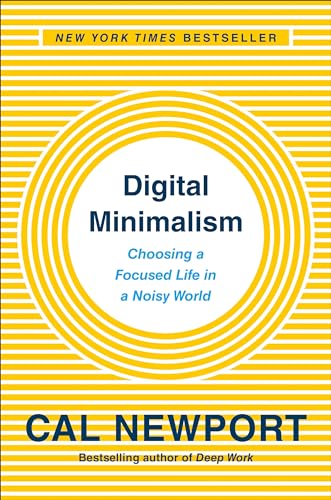
Modern life presents a peculiar paradox: we've never had more tools designed to connect us and boost our productivity, yet we often feel scattered, anxious, and less capable of focusing on what truly matters in our careers and personal lives. The constant pull of notifications, the endless scroll of social media feeds, and the pressure to remain perpetually available have created a new form of exhaustion that previous generations never experienced. This comprehensive guide offers a philosophy and practical framework for reclaiming control over our digital lives, particularly as it relates to professional success and personal fulfillment.
At the heart of this transformative approach lies a radical proposition: our relationship with technology, especially the devices and apps we use daily, requires the same intentionality we bring to other important life decisions. Rather than passively accepting every new platform, tool, or digital innovation that promises to improve our lives, we can choose a more deliberate path. This philosophy challenges the assumption that more connectivity automatically translates to better career outcomes or richer relationships.
The foundation rests on extensive research into how our attention has become commodified by tech companies whose business models depend on capturing as much of our time and focus as possible. These platforms employ teams of engineers and psychologists working to make their products as addictive as possible, creating feedback loops that hijack our brain's reward systems. Understanding these mechanisms empowers readers to recognize when they're being manipulated and provides the knowledge needed to break free from these digital traps.
Read more ▼
Carl Rhodes

Michael Fekete

Dona Witten
Isabel M. Hickey
The quest for happiness often leads to frustration, as many fail to realize that the...

Reaching sixty can evoke complex emotions, blending relief with ongoing ambition. This...

The quest for life's purpose often leads to unsatisfactory answers. This article...

Romantic love is a complex emotion shaped by historical, cultural, and biological...

Imagine going through one of the most physically and emotionally demanding experiences...

Daily actions often conflict with personal beliefs due to past experiences. By utilizing...

Have you ever argued over something that wasn't actually said? From cultural differences...

Therapists often use dream interpretation to delve into patients' emotions, but true...