
Happiness & Success
Achieving Happiness Through Acceptance of Life
The quest for happiness often leads to frustration, as many fail to realize that the...








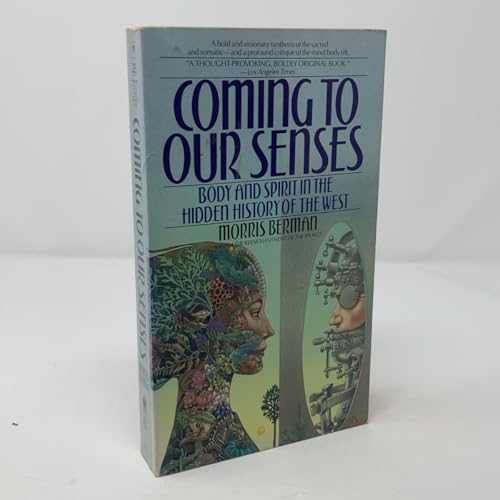
For centuries, Western civilization has championed the rational mind as humanity's crowning achievement, elevating abstract thought and analytical reasoning above all other ways of knowing. Yet this exclusive focus on intellectual cognition has come at a tremendous cost, severing our connection to the embodied, sensory experience that grounds us in the world and to each other. What emerges is a comprehensive exploration of how modern consciousness became disembodied, and more importantly, how we might recover a more integrated way of being.
At the heart of this work lies a provocative thesis: the Cartesian split between mind and body that has dominated Western thought since the Enlightenment has created a profound crisis in how we experience reality. By privileging mental abstraction over direct sensory engagement, contemporary culture has produced individuals who live primarily in their heads, disconnected from the wisdom of the body and the immediacy of physical presence. This disconnection manifests in numerous ways, from the epidemic of stress-related illnesses to the environmental devastation wrought by treating nature as mere resource rather than living reality we inhabit.
Drawing on an impressive range of sources spanning anthropology, history, psychology, and philosophy, the narrative traces how this split developed historically. Ancient and medieval cultures understood the body as integral to knowledge and spiritual experience. The monastic traditions, mystical practices, and craft-based learning of earlier eras all recognized that genuine understanding involves the whole person, not merely the intellect. The scientific revolution, while bringing undeniable benefits, simultaneously instituted a worldview that treated the body as mere mechanism and physical sensation as inferior to rational thought.
Read more ▼
Iyanla Vanzant
Janet Conner
Martha Beck
Nadine Burke Harris M.D., Nadine Burke Harris, Nadine Burke Harris, Dr Nadine Burke-Harris
The quest for happiness often leads to frustration, as many fail to realize that the...

Reaching sixty can evoke complex emotions, blending relief with ongoing ambition. This...

The quest for life's purpose often leads to unsatisfactory answers. This article...

Romantic love is a complex emotion shaped by historical, cultural, and biological...

Imagine going through one of the most physically and emotionally demanding experiences...

Daily actions often conflict with personal beliefs due to past experiences. By utilizing...

Have you ever argued over something that wasn't actually said? From cultural differences...

Therapists often use dream interpretation to delve into patients' emotions, but true...