
Happiness & Success
Achieving Happiness Through Acceptance of Life
The quest for happiness often leads to frustration, as many fail to realize that the...








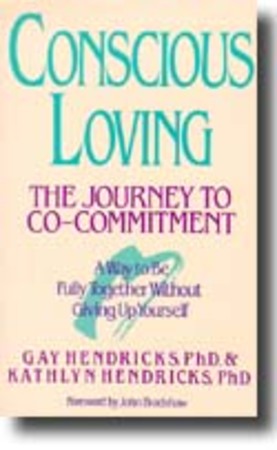
Relationships stand as one of life's greatest teachers, offering profound opportunities for personal growth and self-discovery. Yet most people enter into intimate partnerships without the tools, awareness, or understanding necessary to navigate the complex terrain of long-term commitment. What emerges is a groundbreaking approach to intimate relationships that transforms them from sources of conflict and disappointment into vehicles for continuous personal evolution and spiritual awakening.
At the heart of this transformative work lies a revolutionary premise: most relationship problems stem not from incompatibility or circumstance, but from unconscious patterns established in childhood that replay themselves throughout adult life. These patterns, often invisible to those who carry them, create endless cycles of blame, defensiveness, and emotional disconnection. Breaking free from these cycles requires developing what is termed "conscious loving" – a practice of bringing full awareness to every aspect of intimate partnership.
The foundation of conscious relationships rests upon several key principles that challenge conventional wisdom about love and partnership. First is the concept of taking full responsibility for one's own emotions and experiences rather than blaming a partner for unhappiness or dissatisfaction. This shift from victim consciousness to creator consciousness represents perhaps the most powerful step anyone can take toward relationship transformation. When both partners embrace this principle, the dynamic shifts from accusation and defense to curiosity and growth.
Read more ▼
Bhagwan Rajneesh
Jeffrey Zaslow

Zenith Henkin Gross

Chris Fontanella
The quest for happiness often leads to frustration, as many fail to realize that the...

Reaching sixty can evoke complex emotions, blending relief with ongoing ambition. This...

The quest for life's purpose often leads to unsatisfactory answers. This article...

Romantic love is a complex emotion shaped by historical, cultural, and biological...

Imagine going through one of the most physically and emotionally demanding experiences...

Daily actions often conflict with personal beliefs due to past experiences. By utilizing...

Have you ever argued over something that wasn't actually said? From cultural differences...

Therapists often use dream interpretation to delve into patients' emotions, but true...