# The Integration of Traditional Wisdom and Modern Medicine: A Path to Holistic Healing
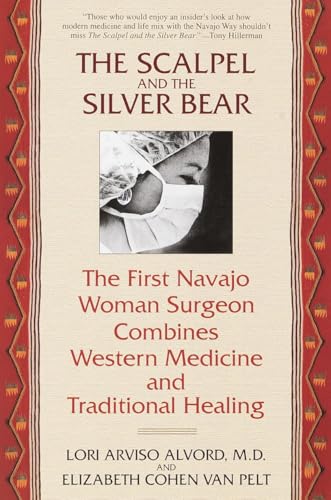
Discover how the ancient healing traditions of Native American culture can profoundly transform our understanding of medicine, wellness, and the human spirit. This groundbreaking narrative offers readers an intimate journey into the life of a pioneering physician who dared to bridge two seemingly incompatible worlds: the scientific precision of modern Western medicine and the spiritual wisdom embedded in traditional indigenous healing practices.
The story unfolds through the remarkable personal journey of becoming the first Navajo woman to graduate from Stanford University School of Medicine. This isn't simply a memoir of academic achievement; it's a deeply reflective exploration of cultural identity, professional integrity, and the search for authentic healing in a healthcare system that often overlooks the spiritual dimensions of wellness. Readers will discover how one person's determination to honor both her heritage and her medical training can reshape not only her own life but also challenge fundamental assumptions about what constitutes effective healthcare.
Throughout these pages, you'll encounter powerful insights into the holistic approach that Native American healing traditions have maintained for centuries. These approaches recognize that true wellness cannot be separated from community, spirituality, environmental connection, and emotional wellbeing. This perspective stands in striking contrast to the compartmentalized, symptom-focused model that dominates contemporary Western medicine. By weaving together personal anecdotes, medical case studies, and cultural teachings, the narrative demonstrates that these two seemingly opposing paradigms are not adversaries but rather complementary perspectives that, when integrated, create more complete and effective healing.
Readers seeking personal empowerment will find profound lessons about authenticity and courage. This account illustrates what it takes to maintain your integrity while navigating systems that may not immediately understand or validate your values. It shows how cultural pride and professional excellence need not be in conflict, and how honoring your roots can actually enhance your effectiveness in unexpected ways. The narrative demonstrates that personal transformation often requires us to question assumptions we've taken for granted and to trust in wisdom that extends beyond conventional credentials.
The medical insights presented throughout offer valuable education about the mind-body-spirit connection and how emotional and spiritual factors directly influence physical health outcomes. Readers will learn about conditions and symptoms that Western medicine often treats in isolation, and discover how addressing the whole person—including their spiritual needs, community connections, and emotional landscapes—produces better results. This integrated approach has profound implications not only for patient care but for how each of us might approach our own wellness journeys.
One of the most empowering aspects of this narrative is how it validates the experiences of those who have felt torn between different worlds or identities. Many readers will recognize themselves in the struggle to honor multiple aspects of their identity while pursuing professional and personal goals. This account shows that wholeness doesn't require choosing one aspect of yourself over another; rather, it involves the courageous work of integration.
The cultural teachings woven throughout the narrative offer spiritual nourishment and perspective that extends far beyond medical contexts. Readers will encounter wisdom about humanity's relationship with nature, the importance of community, the healing power of connection, and the profound ways that our environment shapes our wellbeing. These insights have immediate relevance for anyone seeking to live more consciously and authentically.
For those interested in social consciousness and systemic change, this narrative also documents the challenges and possibilities of transforming institutions from within. It raises important questions about whose knowledge gets validated in professional settings, how cultural biases shape medical practice, and what responsibility healthcare providers have to serve diverse communities with respect and cultural humility.
Ultimately, this compelling narrative invites readers to examine their own beliefs about healing, success, and identity. It demonstrates that true personal empowerment emerges not from abandoning who we are but from fully embracing and integrating all aspects of ourselves, and from having the courage to bring our whole selves into the work we do in the world.