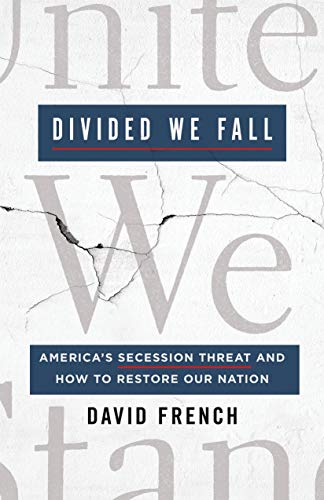

America stands at a crossroads. The divisions that separate us have grown so profound that many citizens struggle to recognize their fellow countrymen across political, cultural, and ideological lines. This exploration of national polarization offers something rare in contemporary discourse: a thoughtful, nuanced examination of how we arrived at this fractured moment and, more importantly, what individuals can do to bridge the chasms that threaten our shared future.
The fundamental premise addresses a question that has troubled millions: How did we become so divided? Rather than assigning blame to a single political party or cultural force, this work investigates the complex historical, technological, and sociological factors that have systematically pulled Americans apart. The analysis traces the evolution of our divisions from the Civil Rights era through the rise of partisan media, the internet's transformative power, and the increasing self-segregation that characterizes modern American life. By understanding these mechanisms, readers gain insight into forces that extend beyond individual personalities and political moments.
One of the most valuable aspects of this examination is its unflinching honesty about how Americans have sorted themselves. The book explains the phenomenon of geographic and ideological self-segregation, where people increasingly choose to live, work, and socialize exclusively with others who share their worldview. This self-imposed isolation creates what researchers call "filter bubbles" and "echo chambers," environments where our existing beliefs are constantly reinforced and opposing viewpoints rarely penetrate. For readers seeking personal growth, understanding this dynamic becomes essential to recognizing how your own beliefs have been shaped and where blind spots might exist.
The work also explores the role of technology and media in amplifying division. Social media algorithms designed to maximize engagement often promote the most inflammatory content, while cable news networks have discovered that outrage drives ratings. These systems don't reflect neutrality; they actively exploit our tribal instincts and emotional vulnerabilities. By understanding how these mechanisms work, individuals can make more conscious choices about their media consumption and information diet. This awareness itself becomes transformative, allowing readers to step back from the automatic emotional reactions these systems are designed to trigger.
Perhaps most crucially, this examination doesn't stop at diagnosis. It moves toward solutions grounded in practical human connection and mutual understanding. Rather than demanding that people abandon their core beliefs or political convictions, the work suggests that meaningful dialogue and genuine listening can coexist with disagreement. This represents a profound shift from the current cultural moment, where compromise is often viewed as betrayal and disagreement is treated as a personal attack.
For those committed to personal empowerment and social consciousness, this perspective offers liberation. Instead of feeling trapped by national polarization, readers discover agency in their daily interactions. You learn how to engage across difference without sacrificing your convictions. The framework provided helps you understand not just the "what" and "how" of division, but the "why" behind others' beliefs, making genuine dialogue possible even on contentious issues.
The personal transformation begins with understanding yourself more deeply. What convictions do you hold unexamined? Which beliefs have been inherited from your community rather than thoroughly considered? How has self-segregation limited your perspective? These questions lead to greater self-awareness and intellectual humility—cornerstones of genuine personal growth.
Furthermore, recognizing structural forces that drive division removes the burden of treating polarization as a personal moral failing. While individuals certainly bear responsibility for their choices, understanding the larger systems at work provides perspective and compassion, both for others and yourself.
This exploration ultimately argues that healing division begins with individual choices to seek understanding, engage respectfully across difference, and resist the algorithms and incentives designed to keep us separated. By doing so, readers don't just contribute to national healing; they embark on their own journey toward greater wisdom, compassion, and authentic connection with the full spectrum of human experience and perspective that exists within their communities.