
Happiness & Success
Achieving Happiness Through Acceptance of Life
The quest for happiness often leads to frustration, as many fail to realize that the...








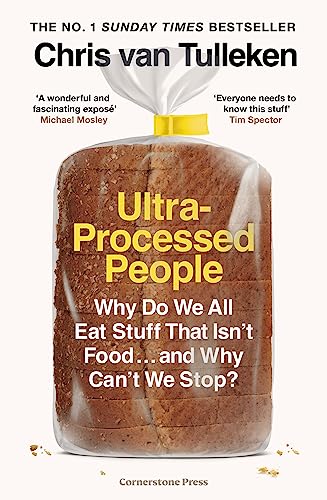
Every time we walk down a supermarket aisle or open our kitchen cupboards, we're confronted with choices that profoundly impact not just our physical health, but our autonomy, our sense of self, and our ability to live consciously. Most of us have grown up believing that what we eat is a matter of personal willpower and choice, but emerging science reveals a far more complex and unsettling reality about the foods that now dominate our diets.
This groundbreaking exploration into modern nutrition pulls back the curtain on ultra-processed foods—the packaged, engineered products that now comprise more than half of the calories consumed in many Western countries. These aren't just "junk foods" or occasional treats. They're breakfast cereals marketed as healthy, whole grain breads with ingredient lists as long as novels, plant-based meat alternatives, meal replacement shakes, and even many products sitting on health food store shelves. What makes them different isn't just that they're processed, but how they're formulated using substances never found in home kitchens: protein isolates, emulsifiers, modified starches, and flavor compounds designed to override our natural satiety signals.
Readers embarking on this journey will discover how these products are fundamentally different from real food in ways that go far beyond nutrition labels. The investigation draws on cutting-edge research showing that ultra-processed foods are engineered to be literally irresistible, hijacking the same brain pathways involved in addiction. This isn't about lack of willpower or moral failure—it's about products specifically designed to be overconsummed, created by corporations that invest billions in understanding exactly how to make us eat more than we need or even want.
Read more ▼
John Taylor Gatto, JOHN TAYLOR GATTO

Suzanne Lipsett, Sukie Miller

Regina Sara Ryan

Peter Ackerman, Jack DuVall, Jack DuVall
The quest for happiness often leads to frustration, as many fail to realize that the...

Reaching sixty can evoke complex emotions, blending relief with ongoing ambition. This...

The quest for life's purpose often leads to unsatisfactory answers. This article...

Imagine going through one of the most physically and emotionally demanding experiences...

Romantic love is a complex emotion shaped by historical, cultural, and biological...

Daily actions often conflict with personal beliefs due to past experiences. By utilizing...

Have you ever argued over something that wasn't actually said? From cultural differences...

Therapists often use dream interpretation to delve into patients' emotions, but true...