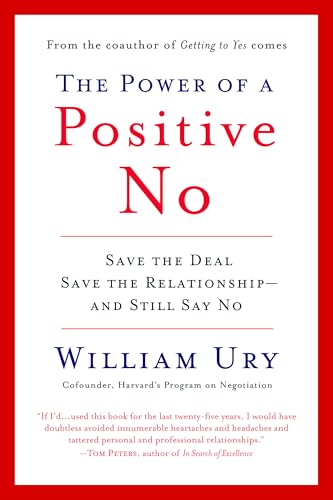
Do you struggle with saying no? You're not alone. Millions of people worldwide find themselves trapped in a cycle of overcommitment, people-pleasing, and exhaustion because they cannot bring themselves to decline requests, demands, or opportunities that don't align with their values or capacity. The consequences are profound: burnout, resentment, missed personal goals, and a nagging sense that life is controlling you rather than the other way around.
The transformative approach presented here offers a radically different perspective on what many consider a simple two-letter word. Rather than viewing no as a negative, rejecting, or selfish response, this framework reframes the power of refusal as an essential tool for personal integrity, authentic relationships, and meaningful living. The central insight is elegant yet profound: the most powerful no contains an implicit yes. When you learn to say no to demands that don't serve you, you're simultaneously saying yes to what truly matters.
The heart of this method lies in what's called the Positive No, a three-part structure that transforms how you handle requests and demands. First comes the underlying yes—clarifying what you genuinely want and care about. This might be your family relationships, your health, your creative work, or your personal well-being. By anchoring your refusal in what you're committing to rather than what you're rejecting, you establish a foundation of integrity. You're not simply refusing out of fear or selfishness; you're honoring your deepest values.
The second element is the clear no itself. This isn't wishy-washy or apologetic. It's a direct, honest refusal that acknowledges the other person's request while firmly declining. Many people struggle here because they fear disappointing others or appearing unkind. Yet this clarity is actually more respectful than the vague, noncommittal responses that leave people uncertain and frustrated.
The third part involves the concrete alternative or path forward. Even when you must decline, you can offer something of value—whether that's a referral to someone who might help, a modified version of what was requested, or simply an honest explanation that honors the relationship while maintaining your boundary.
Throughout these pages, you'll discover practical strategies for navigating common scenarios: managing your boss's increasing demands, handling family expectations, declining social commitments, and addressing situations where your values conflict with others' needs. Real-world examples illustrate how this framework operates across different relationships and contexts, making it immediately applicable to your life.
The psychological wisdom underlying this approach draws from negotiation theory, emotional intelligence, and relationship dynamics. You'll learn why most people's default responses to requests—either immediate yes or guilt-laden no—actually undermine their relationships and personal fulfillment. By contrast, the Positive No strengthens relationships because it's grounded in honesty and respect rather than resentment or conflict avoidance.
Beyond the tactical skills, this journey addresses the deeper emotional and spiritual dimensions of saying no. It explores why so many people equate their worth with their usefulness, why they fear abandonment if they set boundaries, and how cultural conditioning often teaches us that pleasing others is more important than honoring ourselves. By bringing awareness to these patterns, you gain the power to change them.
The ultimate gift of mastering this ability is liberation. You reclaim your time, energy, and focus. You build relationships based on authentic choice rather than obligation. You pursue goals that matter to you instead of being perpetually sidetracked by others' agendas. You experience less resentment and greater peace because you're living in alignment with your values.
This isn't about becoming selfish or uncaring. Rather, it's about developing the self-respect and clarity necessary to show up authentically in all your relationships—as a colleague, friend, parent, and partner. By saying yes to what truly matters, you inevitably must say no to what doesn't. Learning to do so powerfully and positively is one of the most liberating skills you can develop.