
Happiness & Success
Achieving Happiness Through Acceptance of Life
The quest for happiness often leads to frustration, as many fail to realize that the...








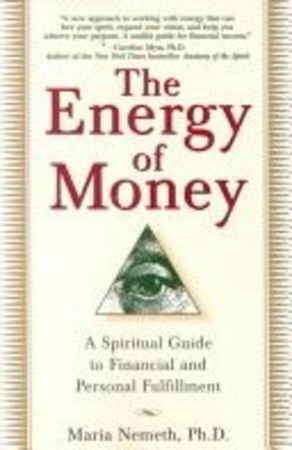
Money holds a peculiar power in our lives, yet few of us truly understand the intricate relationship we have with it. This groundbreaking guide examines not just our financial behaviors, but the deeper psychological and spiritual patterns that govern how we think about, attract, and use money in our daily existence. Rather than offering another set of budgeting tips or investment strategies, this work delves into the fundamental energy we bring to our relationship with finances and how that energy either supports or sabotages our life dreams.
At its core lies a revolutionary premise: money itself is neutral, but the energy we invest in it determines whether it becomes a tool for realizing our highest potential or a source of chronic anxiety and limitation. Through a unique blend of practical exercises, psychological insights, and spiritual wisdom, readers discover how their unconscious beliefs about worthiness, scarcity, and abundance directly shape their financial reality. The approach recognizes that financial challenges are rarely just about numbers—they're symptoms of deeper conflicts between our stated values and our actual behaviors.
One of the most transformative concepts explored is the notion of "monkey mind"—that restless, anxious internal chatter that keeps us trapped in worry and prevents us from taking meaningful action toward our goals. Readers learn to recognize when this mental noise is running their financial decisions and discover concrete practices for moving from paralysis into purposeful action. This isn't about positive thinking or denial of real financial challenges; it's about developing the clarity and focus needed to make choices aligned with what truly matters.
Read more ▼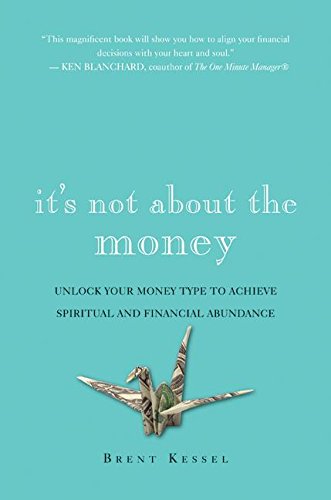
Brent Kessel

The Bates method for better eyesight without glasses
William Horatio Bates

Jane Delaford Taylor and Manoj Vijayan.
Rowan Jacobsen
The quest for happiness often leads to frustration, as many fail to realize that the...

Reaching sixty can evoke complex emotions, blending relief with ongoing ambition. This...

The quest for life's purpose often leads to unsatisfactory answers. This article...

Romantic love is a complex emotion shaped by historical, cultural, and biological...

Imagine going through one of the most physically and emotionally demanding experiences...

Daily actions often conflict with personal beliefs due to past experiences. By utilizing...

Have you ever argued over something that wasn't actually said? From cultural differences...

Therapists often use dream interpretation to delve into patients' emotions, but true...