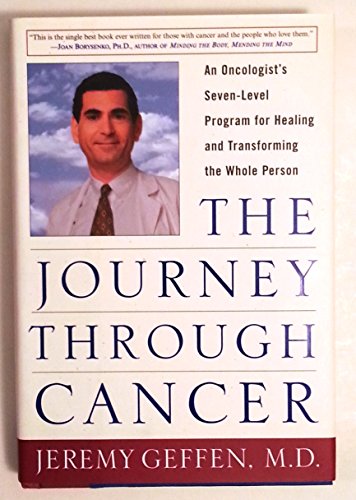
When faced with a cancer diagnosis, most people experience a whirlwind of emotions—fear, confusion, anger, and despair. Yet beneath this storm lies an opportunity for profound personal transformation and spiritual awakening. This groundbreaking exploration reveals how individuals can navigate the complex physical, emotional, mental, and spiritual dimensions of cancer with greater awareness, resilience, and even grace.
The journey through serious illness need not be purely a battle against disease. Rather, it can become a catalyst for deep self-discovery and meaningful life changes. This work presents a compassionate, holistic framework that honors both the medical realities of cancer and the deeper human dimensions of healing that extend far beyond conventional treatment protocols.
Throughout these pages, readers will discover that cancer operates on multiple levels simultaneously. While the disease certainly presents physical challenges requiring appropriate medical intervention, it simultaneously affects emotional well-being, mental patterns, and spiritual understanding. A truly comprehensive approach to healing must address all these dimensions rather than focusing narrowly on eliminating tumors or destroying cancer cells. This integrated perspective offers hope not because it promises miracle cures, but because it acknowledges the full humanity of the person experiencing illness and provides tools for meaningful engagement with the experience.
One of the central insights presented here is that illness can serve as a powerful teacher and awakener. Many people who have moved through serious health challenges report that despite the difficulty and pain, they emerged with greater clarity about what truly matters in life. They developed stronger relationships, released grudges they had held for years, pursued long-abandoned dreams, and cultivated deeper spiritual practices. These transformations don't happen automatically or easily, but they become possible when we approach illness with awareness and intention rather than pure resistance.
Readers will learn practical strategies for managing the psychological and emotional dimensions of cancer. This includes addressing fear without denying real challenges, cultivating hope that is grounded in reality rather than denial, and developing resilience through difficult treatments and uncertain outcomes. The emotional landscape of cancer is complex—individuals must often hold simultaneously the reality of serious illness and the possibility of recovery, the need for medical treatment and the importance of personal agency in healing, and the desire to maintain normalcy while acknowledging that life has fundamentally changed.
Mental and spiritual dimensions receive careful attention throughout this exploration. Many people discover that cancer interrupts ingrained patterns of thought and behavior that no longer serve them. The illness creates space for questioning beliefs that have been unexamined, releasing resentments and grudges that consume emotional energy, and reconnecting with deeper sources of meaning and purpose. Whether through meditation, prayer, creative expression, time in nature, or meaningful relationships, individuals can access resources within themselves and their communities that foster genuine healing.
The approach presented here also emphasizes personal agency and responsibility. Rather than casting patients as passive recipients of medical treatment, this framework invites individuals to become active participants in their own healing. This might involve making dietary changes, engaging in movement practices that feel appropriate, seeking out complementary therapies that resonate, surrounding oneself with supportive relationships, and developing spiritual practices that nourish the soul. These personal choices don't replace medical treatment but rather work synergistically with it.
For anyone facing cancer—whether as a patient, family member, or caregiver—this comprehensive guide offers essential perspective and practical wisdom. It acknowledges the gravity of the situation while opening doors to possibilities for growth, healing, and transformation that extend far beyond the narrow question of disease remission. By engaging with both the concrete challenges and the deeper dimensions of illness, readers can move through this difficult terrain with greater consciousness, connection, and hope.