
Happiness & Success
Achieving Happiness Through Acceptance of Life
The quest for happiness often leads to frustration, as many fail to realize that the...








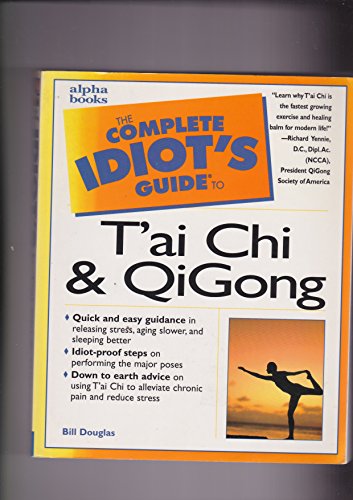
Ancient Chinese movement practices offer profound pathways to health, inner peace, and spiritual awakening that remain remarkably relevant in our modern stress-filled world. For thousands of years, these gentle yet powerful disciplines have helped millions of people cultivate vitality, balance their energy, and connect more deeply with their body's innate wisdom. Now, a comprehensive and accessible guide opens these transformative practices to everyone, regardless of age, fitness level, or previous experience.
This invaluable resource demystifies two complementary healing arts that work synergistically to restore harmony between mind, body, and spirit. Through clear explanations and practical instruction, readers discover how slow, flowing movements combined with conscious breathing can dissolve tension, enhance flexibility, strengthen the immune system, and promote emotional well-being. The approach taken is refreshingly straightforward, breaking down what might seem exotic or complicated into understandable concepts and achievable techniques that anyone can integrate into daily life.
The journey begins with foundational knowledge about the philosophy and principles underlying these ancient practices. Readers learn about the concept of chi or qi—the vital life force that flows through all living things—and how blockages or imbalances in this energy create physical ailments, emotional disturbances, and spiritual disconnection. Understanding how these movement meditations work to restore free-flowing energy throughout the body's meridian system provides context and motivation for regular practice.
Read more ▼
Peter Ralston
Angela Hope-Murray
Louise L. Hay
The quest for happiness often leads to frustration, as many fail to realize that the...

Reaching sixty can evoke complex emotions, blending relief with ongoing ambition. This...

The quest for life's purpose often leads to unsatisfactory answers. This article...

Romantic love is a complex emotion shaped by historical, cultural, and biological...

Imagine going through one of the most physically and emotionally demanding experiences...

Daily actions often conflict with personal beliefs due to past experiences. By utilizing...

Have you ever argued over something that wasn't actually said? From cultural differences...

Therapists often use dream interpretation to delve into patients' emotions, but true...