
Happiness & Success
Achieving Happiness Through Acceptance of Life
The quest for happiness often leads to frustration, as many fail to realize that the...








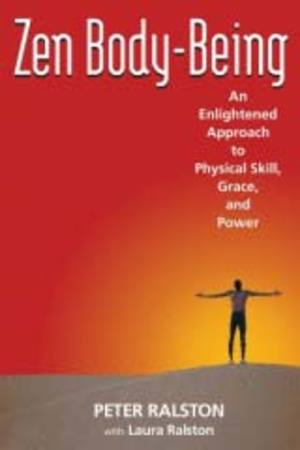
Deep within the practice of martial arts and contemplative traditions lies a profound understanding of the human body that goes far beyond physical fitness or athletic performance. This work bridges the gap between Eastern philosophical wisdom and practical embodied experience, offering readers a transformative journey into what it means to truly inhabit one's physical form with complete awareness and presence.
At its core, this exploration challenges the conventional Western notion that the body is merely a vehicle or container for consciousness. Instead, it presents a revolutionary perspective: the body itself is a gateway to profound self-knowledge and authentic being. Through decades of rigorous training in martial arts and consciousness work, a framework emerges that demonstrates how bodily awareness can become the foundation for genuine transformation and awakened living.
The approach taken here is neither purely theoretical nor simply mechanical. It integrates precise physical practice with deep contemplative inquiry, asking readers to investigate their most fundamental assumptions about existence, identity, and what it means to be alive in a body. The teachings draw from Zen principles while remaining accessible to those unfamiliar with formal Buddhist practice, focusing instead on direct experience and personal discovery.
Read more ▼
Earthwalks for Body and Spirit
James Endredy

Ron Roth, Peter Occhiogrosso
Joseph Selbie
Valter Longo
The quest for happiness often leads to frustration, as many fail to realize that the...

Reaching sixty can evoke complex emotions, blending relief with ongoing ambition. This...

The quest for life's purpose often leads to unsatisfactory answers. This article...

Romantic love is a complex emotion shaped by historical, cultural, and biological...

Imagine going through one of the most physically and emotionally demanding experiences...

Daily actions often conflict with personal beliefs due to past experiences. By utilizing...

Have you ever argued over something that wasn't actually said? From cultural differences...

Therapists often use dream interpretation to delve into patients' emotions, but true...