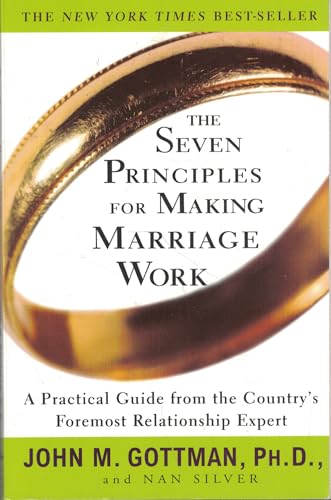
Marriage stands as one of humanity's most profound commitments, yet countless couples find themselves struggling to navigate its complexities. This groundbreaking exploration into relationship dynamics reveals what actually works when two people dedicate themselves to building a life together. Rather than relying on outdated advice or wishful thinking, this guide draws from decades of rigorous research involving thousands of couples to uncover the genuine principles that distinguish thriving marriages from those destined to fail.
The foundation of this wisdom rests on a remarkable discovery: certain patterns of interaction can predict with remarkable accuracy whether a marriage will flourish or deteriorate. By studying couples over extended periods, researchers identified specific behaviors and communication patterns that either strengthen the emotional bond or erode it over time. This scientific approach removes the guesswork from relationship advice, offering readers concrete, evidence-based strategies they can implement immediately.
One of the most valuable insights presented here involves understanding the four destructive patterns that act as relationship killers. These patterns, which emerge repeatedly in struggling marriages, include the tendency to criticize rather than complain, to express contempt toward one's partner, to become defensive in response to perceived attacks, and to withdraw emotionally from conflict. Most couples recognize these behaviors in their own relationships, often without understanding why they prove so damaging or how to replace them with healthier alternatives. Learning to identify these patterns in your own marriage becomes the crucial first step toward transformation.
Beyond identification, readers discover practical methods for building and maintaining emotional connection. The concept of the marital friendship forms a cornerstone of this approach. Rather than viewing marriage as a constant battle requiring advanced conflict resolution skills, this perspective suggests that couples who genuinely like and respect each other, who maintain genuine curiosity about their partner's inner world, and who create rituals of connection naturally weather difficulties more effectively. These friendships include knowledge of each other's dreams, values, and life experiences, plus the willingness to show interest in these aspects regularly.
The guide emphasizes the critical importance of managing conflict rather than eliminating it entirely. Couples learn that disagreement itself doesn't threaten marriage. Instead, how couples handle disagreement determines whether conflict strengthens or weakens their bond. Specific communication techniques help partners express concerns without triggering defensive reactions, truly listen to their partner's perspective, and work toward solutions that honor both people's needs and values.
Creating and maintaining emotional intimacy receives substantial attention throughout this exploration. Physical affection, expressions of appreciation, shared experiences, and moments of genuine vulnerability all contribute to the deep sense of connection that sustains couples through life's inevitable challenges. Readers discover how seemingly small gestures and consistent attentiveness accumulate to create a reservoir of goodwill and trust.
For those seeking personal growth within their relationship, this material offers transformative potential. Understanding these principles requires honest self-examination. Partners must confront their own defensive patterns, recognize how their responses affect their spouse, and develop willingness to change ingrained behaviors. This personal work extends beyond the relationship itself, touching core beliefs about love, vulnerability, and human connection.
Perhaps most importantly, this science-based approach offers hope to struggling couples. Rather than assuming that compatibility is fixed at the relationship's beginning, these principles demonstrate that couples can actively build and rebuild connection. Through consistent practice of these evidence-based strategies, even marriages showing significant distress can transform into sources of deep satisfaction and joy.
This exploration ultimately speaks to something essential in human experience: our longing for authentic connection with another person, and our capacity to create and nurture that connection through conscious effort and understanding.