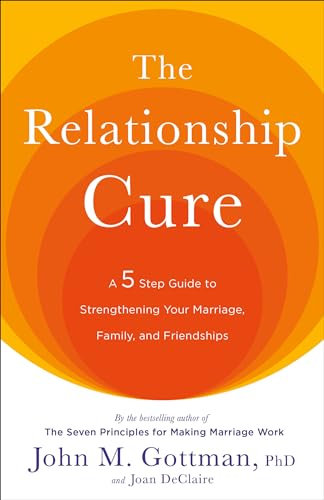
# Transforming Conflict Into Connection: A Guide to Healing Relationships Through Emotional Intelligence
Discover how the most resilient, loving relationships are built not on the absence of conflict, but on the ability to navigate disagreement with skill and compassion. This groundbreaking exploration reveals that the quality of your relationships directly determines the quality of your life, and that armed with the right tools and understanding, you can transform even the most troubled connections into sources of genuine intimacy and fulfillment.
At the heart of this work lies a liberating truth: most people approach relationship problems backward. Rather than trying to fix everything that's wrong, the real pathway to healing involves learning to recognize and interrupt the destructive patterns that erode connection. Through decades of research with thousands of couples and families, the insights presented here unveil the specific behaviors and communication styles that predict relationship failure, along with the proven antidotes that restore trust and affection.
The foundation of this approach rests on understanding what researchers call the "four horsemen" of relationship decline: criticism, contempt, defensiveness, and stonewalling. These patterns don't appear overnight; they develop gradually as hurt accumulates and emotional safety diminishes. By learning to recognize these destructive cycles in real time, you gain the power to interrupt them before they take hold. More importantly, you'll discover what emotional states and communication practices actually strengthen bonds and create the conditions for genuine healing.
One of the most valuable contributions of this work is its practical framework for what's called "emotional coaching." This concept extends far beyond simple conflict resolution. It involves developing the capacity to identify emotions—both your own and those of others—and to respond with empathy and wisdom. When partners learn to approach conflict as an opportunity to understand each other more deeply rather than as a battle to be won, everything shifts. Arguments become conversations. Disagreements become doorways to greater intimacy.
Throughout these pages, you'll encounter real-world scenarios that likely mirror your own relationship challenges. Whether you're struggling with a partner who shuts down during difficult conversations, dealing with criticism that feels relentless, or simply feeling disconnected from someone you care about, you'll find concrete strategies tailored to your specific situation. The approach presented here isn't about forcing artificial positivity or pretending problems don't exist. Instead, it's about engaging authentically with difficulties while maintaining respect and affection.
The practical tools offered include specific communication techniques, exercises for building emotional awareness, and strategies for creating rituals of connection that sustain intimacy over time. You'll learn how to express needs without attacking, how to listen in ways that truly convey understanding, and how to repair hurt when conflicts inevitably arise. These aren't complicated methods requiring extensive training; they're accessible skills that become more natural with practice.
What makes this exploration particularly valuable is its grounding in scientific research rather than theoretical ideology. The conclusions presented here emerge from careful observation of what actually works in relationships, not from idealistic notions about how people should behave. This evidence-based approach offers hope: if specific patterns predict relationship failure, then changing those patterns genuinely changes outcomes.
Beyond the practical techniques, this guide addresses the deeper question of what relationships are actually for. Rather than viewing partnership solely through the lens of romance or emotional support, it explores how healthy relationships contribute to physical health, mental well-being, and a sense of meaning. Your capacity to love well and be loved well affects your immune system, your longevity, and your overall life satisfaction.
Whether you're in a long-term partnership, navigating family relationships, or seeking to improve your friendships, the principles and practices presented here apply broadly. They offer a pathway from habitual conflict and disconnection toward genuine understanding and sustained affection—not by denying differences, but by honoring them while maintaining the emotional bonds that make relationships worth nurturing.