# Understanding How Exceptional Minds Navigate Love, Relationships, and Life's Deeper Connections
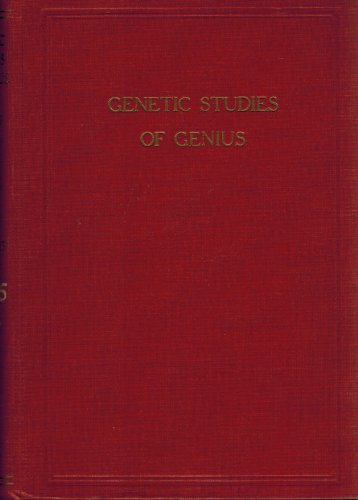
This landmark longitudinal study offers profound insights into how individuals with exceptional intellectual abilities experience relationships, love, and personal fulfillment throughout their lives. For readers seeking to understand themselves or their loved ones better—particularly those who identify as intellectually advanced—this groundbreaking research provides a compassionate, evidence-based exploration of the unique challenges and opportunities that come with a gifted mind.
The research follows a remarkable group of individuals from childhood into adulthood, tracking not just their professional achievements but their emotional lives, relationship patterns, marriage satisfaction, and the deeper questions of meaning and connection that preoccupy thinking people. What emerges is a nuanced portrait of how exceptional intelligence shapes our capacity to love, relate authentically, and build fulfilling partnerships.
One of the most valuable discoveries concerns the often-overlooked emotional landscape of highly intelligent individuals. These individuals frequently experience the world differently from their peers, perceiving subtleties in language, emotion, and social dynamics that others might miss. This heightened perception can be both a gift and a challenge in relationships. They may struggle with feeling fundamentally misunderstood, or conversely, they may find themselves isolated by their ability to see complexities that others overlook. Understanding these patterns helps both gifted individuals and their partners navigate the peculiar vulnerabilities and strengths that come with this mental makeup.
The research challenges many stereotypes about brilliant minds and emotional capability. Contrary to popular belief, those with exceptional intellect are not necessarily emotionally stunted or incapable of deep connection. Instead, they often bring remarkable depth, sensitivity, and intentionality to their relationships. However, they may require partners and friends who can appreciate their need for intellectual stimulation alongside emotional intimacy. The study illuminates how compatibility extends beyond surface attraction to encompass shared values, intellectual resonance, and mutual respect for each other's unique perspectives.
Throughout the longitudinal narrative, readers discover how gifted individuals approach commitment and marriage. The research reveals patterns in mate selection, relationship longevity, and satisfaction that differ meaningfully from broader population studies. Many highly intelligent individuals report seeking partners who respect their need for continued growth and intellectual engagement. They often value authenticity and honesty over conventional relationship scripts, sometimes creating partnerships that look unconventional but prove deeply satisfying.
The examination of family dynamics provides particular value for those raising or parenting gifted children. Understanding how exceptional ability influences one's experience of being parented, and later, of becoming a parent oneself, offers invaluable wisdom. The generational patterns that emerge suggest that creating loving, intellectually stimulating family environments supports not just achievement but also emotional wellbeing and relational capacity.
Perhaps most importantly, the research touches on the existential dimension of being gifted—the search for meaning, purpose, and connection that often accompanies an active, questioning mind. Gifted individuals frequently grapple with questions about their responsibility to use their abilities, their role in society, and how to find work that feels meaningful rather than merely lucrative. These existential concerns inevitably shape how they relate to others, what they seek in partnerships, and how they define personal fulfillment.
For readers on a journey of self-discovery and personal growth, this comprehensive study offers mirror-like insights into patterns you may have experienced but struggled to articulate. It validates the unique challenges of being exceptionally intelligent while offering perspective on how others have navigated similar terrain. For those in relationships with gifted individuals, it provides compassionate understanding of their partner's or loved one's particular way of engaging with the world.
Ultimately, this research reminds us that intelligence, when coupled with emotional awareness and genuine relational commitment, creates possibilities for profound human connection. It demonstrates that being gifted is not an impediment to love but rather an opportunity for relationships of unusual depth, authenticity, and mutual growth.