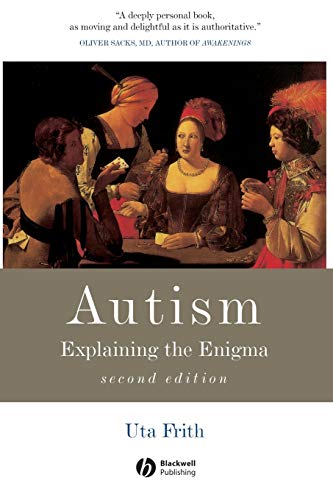

Discover how one of the most significant neurodevelopmental conditions reshapes our understanding of human cognition, abilities, and the magnificent diversity of the human mind. This groundbreaking exploration offers readers a comprehensive journey into a condition that affects millions worldwide, yet remains widely misunderstood by both society and individuals touched by it personally.
The narrative begins by dismantling myths and misconceptions that have clouded public perception for decades. Many people carry outdated beliefs about this spectrum, influenced by sensationalized media portrayals and limited understanding. What unfolds is a far more nuanced and hopeful picture, one that recognizes the profound strengths, unique perspectives, and exceptional abilities that often accompany this neurological difference. This shift in perspective is transformative for anyone seeking to understand themselves, their loved ones, or to cultivate greater compassion and awareness in their communities.
Throughout these pages, readers encounter detailed scientific explanations presented in accessible language that honors both the complexity of neuroscience and the lived experiences of those navigating this spectrum. The exploration covers how the brain processes information differently, why social communication presents particular challenges, and how these neurological differences can manifest as unexpected talents and capabilities. Rather than presenting these traits as deficits to overcome, the work encourages readers to recognize them as variations in cognitive architecture that offer distinct advantages in certain domains.
The book traces the historical development of understanding this condition, from early clinical observations through contemporary research. This historical context helps readers appreciate how far comprehension has evolved and why certain stigmas still persist despite scientific advances. Understanding this progression empowers individuals to become advocates for themselves and others, armed with knowledge that transcends outdated paradigms.
A particularly valuable aspect is the exploration of how this condition manifests across the lifespan. From early childhood through adulthood, the presentation and impact of these traits shift and transform. Readers discover how the same neurological wiring creates different challenges and opportunities at different life stages, and how individuals can develop strategies to thrive rather than merely survive. This developmental perspective is especially empowering for adults who may be newly recognizing these patterns in themselves, often after years of feeling different without understanding why.
The work addresses the intersection of this condition with identity and self-perception. For those living on the spectrum, understanding their neurology can be profoundly liberating, transforming shame or confusion into self-knowledge and acceptance. For parents, educators, and loved ones, this understanding fosters compassion and enables more effective support strategies. The book advocates for a strengths-based approach that honors individual differences while acknowledging genuine support needs.
Readers will encounter discussions about special interests and talents, sensory sensitivities, and the internal experience of navigating a world not always designed with neurodivergent minds in mind. These explorations validate the experiences of those who have felt like outsiders while simultaneously revealing the remarkable capabilities that often accompany these differences. Many individuals on the spectrum demonstrate exceptional focus, pattern recognition, attention to detail, and creative problem-solving abilities that represent genuine gifts.
The implications extend beyond individual understanding to social consciousness. This exploration invites readers to reconsider how society defines normalcy, success, and human value. It challenges the notion that there is one correct way for brains to work and encourages a more inclusive, flexible understanding of human potential.
For anyone seeking personal empowerment through understanding themselves or others more deeply, this comprehensive exploration offers evidence-based knowledge combined with compassionate insight. It represents an opportunity to move beyond fear or judgment toward genuine comprehension and appreciation of neurodiversity as a natural and valuable aspect of human variation. This transformation in perspective opens doors to greater self-acceptance, more effective relationships, and a more inclusive vision of human potential.