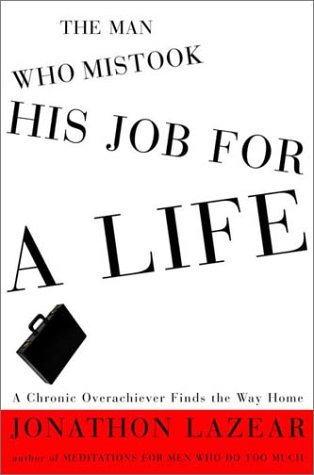
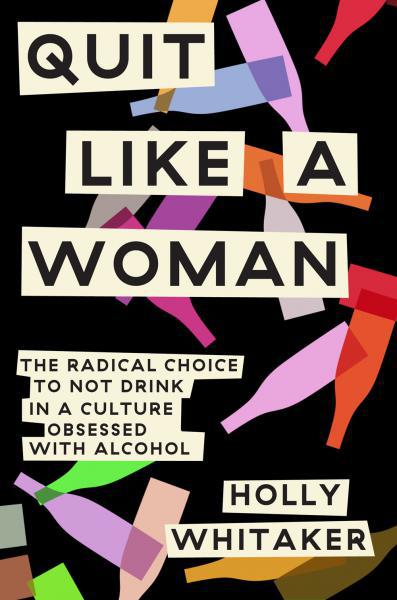
Navigating the moral complexities of modern life requires more than rigid rules and absolute commandments. This groundbreaking exploration of ethical philosophy challenges readers to develop a more nuanced, compassionate approach to making decisions that align with their deepest values and the genuine needs of those around them.
At its core, this work presents a revolutionary framework for moral reasoning that moves beyond the traditional either-or thinking that has dominated ethical discourse for centuries. Rather than adhering to predetermined rules that apply equally in all circumstances, you'll discover how to approach each situation with thoughtful consideration of context, consequences, and human welfare. This perspective acknowledges that life rarely presents us with simple black-and-white choices, and that true ethical maturity requires the wisdom to recognize the varying shades of gray that characterize real-world dilemmas.
The fundamental premise challenges the notion that morality should be detached from human experience and compassion. Instead, it positions love and care for others as the central organizing principle of ethical decision-making. This doesn't mean abandoning all principles or embracing a "anything goes" mentality. Rather, it means recognizing that the ultimate goal of ethics is the promotion of human wellbeing, dignity, and flourishing. When you encounter a moral dilemma, the guiding question becomes not "What rule applies?" but rather "What action will produce the most good and cause the least harm in this specific situation?"
Throughout this exploration, you'll grapple with concrete examples and case studies that illustrate how this approach transforms our understanding of complex moral issues. The methodology presented here encourages you to consider factors like intention, circumstances, likely consequences, and the unique needs of the people involved. This demands both intellectual rigor and emotional intelligence, making you a more thoughtful and ultimately more effective moral agent in your own life.
For those seeking personal empowerment, this framework offers tremendous freedom and responsibility. Rather than simply following external dictates, you're invited to develop your own conscience and exercise genuine moral judgment. This shift from passive rule-following to active moral reasoning represents a maturation in how you approach life's most important decisions. Whether navigating professional dilemmas, relationship challenges, or questions of social responsibility, this perspective equips you with tools for deeper reflection and more authentic choices.
The implications for personal growth are profound. As you develop the capacity to think contextually about ethics, you become more able to act with integrity in complex situations. You learn to hold multiple perspectives simultaneously, to acknowledge uncertainty while still making necessary decisions, and to respond creatively to circumstances rather than rigidly applying predetermined solutions. This intellectual and spiritual development naturally extends to all areas of your life, enhancing your relationships, professional effectiveness, and sense of personal authenticity.
Furthermore, this approach fosters greater compassion and understanding. By emphasizing the importance of considering actual human consequences rather than abstract principles, it naturally cultivates empathy and connection. You become more able to see situations from multiple perspectives, to understand why reasonable people might make different choices, and to approach moral disagreements with curiosity rather than condemnation.
In our increasingly complex and pluralistic world, where different communities hold vastly different value systems, this framework provides a bridge for moral dialogue. It offers a way to engage across differences while still maintaining ethical integrity and commitment to human welfare. This capacity for thoughtful moral reasoning becomes essential not only for personal peace of mind but for contributing meaningfully to a more just and compassionate society.
By engaging with these ideas, you'll develop the capacity to make decisions that are both principled and flexible, that honor your values while remaining responsive to the real needs of the world around you.