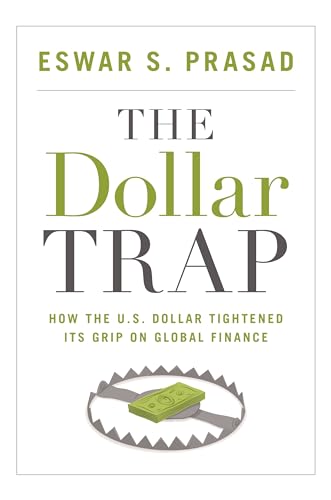
The global financial system operates on a foundation that most of us barely understand, yet it profoundly affects our daily lives, our savings, our investments, and our collective future. At the heart of this complex system sits a single currency that has shaped international economics for decades: the U.S. dollar. Understanding how this currency maintains its dominant position in world finance is essential knowledge for anyone seeking to navigate modern economics with awareness and intention.
This exploration examines the intricate web of relationships that keep the American dollar at the center of global commerce and finance. The dollar's position isn't accidental or inevitable, but rather the result of deliberate historical decisions, structural advantages, and a system that has become so deeply embedded in international transactions that escaping it has become extraordinarily difficult for other nations. Discovering how this system works provides crucial insight into why certain economic policies exist, why financial crises ripple across continents, and how global power dynamics shape your personal financial reality.
The dominance of the U.S. dollar creates what economists call a "trap"—a situation where the benefits of using this currency for international trade and finance are so significant that countries feel compelled to continue using it, even when doing so limits their own economic autonomy and independence. This trap affects not just other nations, but also influences inflation rates, interest rates, and investment opportunities in your own country and around the world. When you understand the mechanics of this system, you gain perspective on why your savings account earns certain interest rates, why certain countries face economic crises while others weather storms more easily, and how global power imbalances affect your economic opportunities.
Readers will discover the historical roots of the dollar's supremacy, tracing how the post-World War II financial architecture established American currency as the world's reserve currency. This historical understanding is transformative because it reveals that current arrangements are not natural or permanent, but rather constructed systems that can change. Understanding that these systems were created by human decisions empowers you to think more critically about proposals for economic reform and to recognize that alternative arrangements are theoretically possible.
The exploration also delves into the practical mechanisms that perpetuate the dollar's dominance. Central banks worldwide hold their foreign reserves primarily in dollars. International oil trades are priced and settled in dollars. Multinational corporations conduct business in dollars. These interconnected practices create powerful incentives for all participants to continue using the dollar, regardless of whether doing so serves their individual or collective interests. This revelation has profound implications for understanding how systems can become self-reinforcing even when they may not be optimal.
Perhaps most importantly, this journey through global finance illuminates the concept of systemic dependency. Many nations find themselves unable to fully control their own monetary policies because their currencies lack the international acceptance and liquidity of the dollar. They cannot easily borrow in their own currencies for large projects. They cannot implement certain economic policies without fear of capital flight. This lack of autonomy has real consequences for people living in these countries, affecting everything from job availability to inflation to the stability of their financial institutions.
For individuals invested in personal growth and conscious awareness, understanding these global financial structures represents expanding consciousness beyond personal financial management into systemic thinking. It involves recognizing how your individual economic circumstances connect to larger patterns of global power and dependency. This knowledge supports wiser decision-making about where to invest, how to position yourself financially for resilience, and how to understand economic news with greater sophistication and nuance.
The journey through this material offers transformation in perspective. Rather than viewing global finance as an incomprehensible realm controlled by distant experts, you'll develop genuine understanding of how the system works, who benefits from current arrangements, and what might happen if those arrangements changed. This informed perspective is itself a form of empowerment, enabling you to engage more consciously with economic decisions and discussions that affect your life and future.