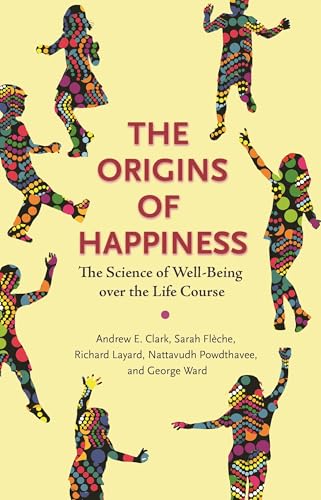
What makes us truly happy? This seemingly simple question has occupied philosophers, psychologists, and ordinary people for centuries, yet only recently have researchers begun to uncover the scientific evidence behind our deepest sources of contentment and life satisfaction. A groundbreaking investigation from Princeton University Press reveals how happiness emerges not from momentary pleasures or random chance, but from identifiable patterns rooted in our earliest experiences and the environments that shaped us.
The research presented here draws from an unprecedented analysis of longitudinal data spanning decades, examining thousands of lives to answer fundamental questions about human flourishing. Rather than relying on pop psychology or intuition, this work grounds itself in rigorous scientific investigation, offering readers concrete evidence about what actually contributes to lasting wellbeing and life satisfaction.
One of the most compelling discoveries emerging from this research concerns the profound impact of childhood experiences on adult happiness. The findings demonstrate that the foundation for our capacity to experience contentment is laid remarkably early, often before we have conscious awareness of it. Environmental factors, family dynamics, educational opportunities, and the quality of relationships we experience in our formative years create neural pathways and psychological patterns that continue influencing our wellbeing decades later. Understanding these origins offers readers a new perspective on why they might struggle with happiness or why certain situations trigger particular emotional responses.
The investigation explores how various life domains contribute to overall satisfaction. Economic security emerges as important, though not in the way many assume. The research shows that financial stability provides a foundation for wellbeing, but that additional income beyond a certain point produces diminishing returns. More intriguingly, the quality of our relationships, our sense of purpose, and our engagement with community consistently outweigh material accumulation as predictors of lasting contentment. This reframing can help readers reconsider their priorities and life choices.
Perhaps most provocatively, this research examines the concept of social mobility and its relationship to happiness. The findings suggest that personal advancement and achievement matter less for wellbeing than people typically believe, while the social fabric of communities and our connections within them matter enormously. This insight carries important implications for how we construct our lives and societies, challenging the individualistic narratives that often dominate modern culture.
The work also addresses the role of personality traits and how they interact with life circumstances. Rather than suggesting we are fixed in our temperament and therefore locked into particular happiness trajectories, the research indicates that understanding our baseline tendencies allows us to work more effectively with our nature. Readers will discover how self-awareness about personality can facilitate better choices in relationships, work, and personal development.
For those interested in transforming their lives, this research offers practical validation for certain approaches while providing scientific debunking of others. The emphasis on childhood influences need not feel deterministic; rather, understanding these origins provides a map for intentional healing and growth. Recognizing how our early environments shaped us allows for more compassionate self-understanding and targeted personal development efforts.
The broader significance of this investigation extends beyond individual concerns. These findings have profound implications for social policy, education systems, and how communities can be structured to support human flourishing. By identifying what genuinely contributes to happiness, society can redirect resources and attention toward what actually matters rather than pursuing myths about what brings satisfaction.
This comprehensive examination ultimately argues that happiness is not random, mysterious, or entirely dependent on luck. Instead, it emerges from patterns we can understand, learn from, and intentionally work with. For readers seeking genuine transformation and deeper life satisfaction, understanding these origins provides both hope and direction.