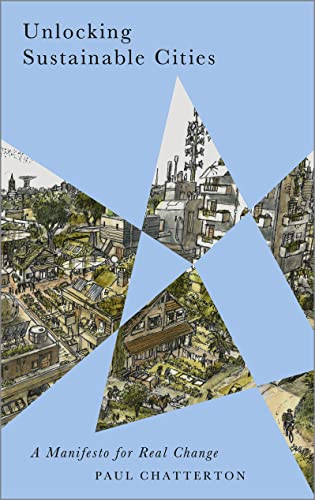
Our cities are at a crossroads. As more than half of humanity now lives in urban centers, and this number continues to grow, the decisions we make about how our cities function will fundamentally shape the future of our planet and our collective well-being. This exploration examines the practical pathways toward creating urban environments that genuinely serve both people and the natural world, offering readers a roadmap for understanding and participating in the transformation of where we live.
The vision presented here challenges the conventional approach to urban development that has dominated for decades. Rather than accepting cities as inevitable sources of pollution, inequality, and disconnection from nature, this work proposes that urban spaces can become laboratories for sustainable living and social innovation. Readers will discover that cities themselves are not the problem—rather, it is how we have chosen to design, operate, and relate to them that requires fundamental reimagining.
Throughout this exploration, you will encounter real-world examples of communities that have already begun this transformation. From neighborhoods experimenting with car-free zones to cities implementing circular economy principles, from grassroots food growing initiatives to innovative housing solutions, these case studies demonstrate that sustainable cities are not merely theoretical concepts but achievable realities. These aren't isolated projects but interconnected experiments showing how different elements—transportation, housing, energy, food systems, and social connection—can work together synergistically.
One of the most compelling aspects of this work is its emphasis on community agency and participatory change. Rather than waiting for top-down government mandates or corporate solutions, readers will learn how ordinary people are taking charge of their neighborhoods and cities. The text reveals how local initiatives often precede and inform broader policy changes, and how grassroots movements have become catalysts for systemic transformation. This democratization of urban development is deeply empowering, suggesting that meaningful change doesn't require permission from distant authorities but can emerge from collective action and vision.
The book addresses the interconnection between environmental sustainability and social justice. Sustainable cities must be equitable cities. Readers will understand how pollution disproportionately affects low-income neighborhoods, how access to green space influences public health outcomes, and how affordable housing connects to sustainability goals. This integrated perspective reveals that environmental concerns and social concerns are inseparable—you cannot create truly sustainable cities while maintaining systems of inequality and exclusion.
For those interested in personal growth and transformation, this work offers profound insights into how our relationship with our physical environment shapes our consciousness and possibility. When we live in spaces designed for connection, walkability, and interaction with nature, our sense of isolation decreases, our mental health improves, and our capacity for community engagement expands. By understanding the built environment's role in shaping behavior and consciousness, readers gain tools for intentionally creating spaces that support their own wellbeing and that of others.
The exploration also addresses practical questions that many people wonder about: How do cities transition away from car dependency? What does affordable sustainable housing actually look like? How can cities feed themselves? How do we balance economic vitality with environmental limits? By examining these questions through concrete examples and emerging solutions, the text moves beyond abstract ideals to practical implementation.
Ultimately, this work matters because it reframes urban living from a problem to be managed into an opportunity to be embraced. It suggests that the very density and concentration of cities, when thoughtfully organized, can reduce humanity's environmental footprint while increasing quality of life. For readers concerned about climate change, social justice, and personal wellbeing, understanding how to unlock sustainable cities offers hope and agency. It demonstrates that we possess both the knowledge and the capacity to build urban futures that work for everyone, and that participation in this transformation begins right where we live.