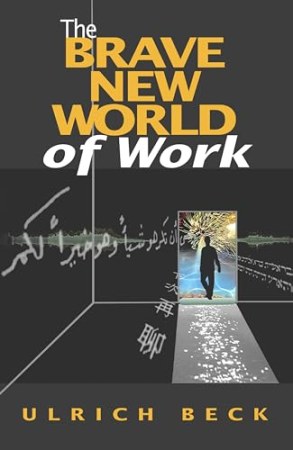
The landscape of employment and labor has undergone a seismic shift as we entered the twenty-first century. What was once a predictable journey of finding a job, climbing a career ladder, and retiring with security has dissolved into something far more complex and uncertain. This exploration examines how our fundamental relationship with work has transformed and what this means for how we construct meaning, identity, and fulfillment in our lives.
For generations, work provided more than income—it offered structure, identity, and a sense of belonging within society. The traditional employment contract created a covenant: loyalty in exchange for security. People could reasonably expect to spend decades with a single employer, build pension benefits, and know what their future held. But this certainty has evaporated. We now inhabit a world where flexibility is demanded, job security is a luxury, and the boundaries between work and personal life have become dangerously blurred.
This examination reveals how technological advancement, globalization, and economic restructuring have dismantled the old employment paradigm. Jobs that seemed permanent have disappeared. The skills that made someone valuable become obsolete. The promise of stability has been replaced by constant adaptation and reinvention. Rather than viewing this as purely negative, this perspective invites us to understand what opportunities might emerge from this chaos and how we might navigate these changes with greater consciousness and intentionality.
One of the most profound insights presented here concerns the relationship between work and personal identity. In traditional societies, work was simply what you did to survive. In industrial societies, work became central to who you were—your occupation was your identity. But now, as employment becomes increasingly precarious and fragmented, we face an unexpected opportunity: the chance to define ourselves beyond our job titles. This liberation, though disorienting, opens possibilities for deeper self-understanding and more authentic living.
The discussion addresses the growing phenomenon of what might be called "portfolio careers" or the "entrepreneurial self." Rather than expecting one employer to provide stability, individuals increasingly must cultivate multiple income streams and develop entrepreneurial mindsets. While this can feel anxiety-inducing, it also demands that we become more intentional about our talents, values, and contributions to the world. We are forced to take ownership of our careers and our lives in ways previous generations were not.
The social implications are equally significant. As traditional employment structures dissolve, we lose some of the community and camaraderie that workplaces once provided. Isolation becomes a real risk, particularly for those working freelance or from home. Yet this same shift creates space for new forms of community based on shared values rather than shared cubicles. It allows for work arrangements that honor individual needs and circumstances, potentially enabling greater harmony between professional and personal dimensions of life.
Another crucial theme involves rethinking security itself. Traditional security came from external structures—a company, a pension, a job title. But increasingly, security must come from within: from cultivating resilience, maintaining continuous learning, building diverse skills, and developing strong personal networks. This inward turn toward self-reliance and personal development represents a significant psychological shift that demands both maturity and self-compassion.
The exploration also touches on the spiritual dimensions of work's transformation. As work becomes less reliable as a source of meaning and identity, many people are turning inward to reconnect with deeper purpose. This can manifest as seeking work that aligns with values, pursuing creative expression, or reimagining success beyond material accumulation. For spiritually-minded individuals, this crisis in traditional employment may actually represent an invitation to remember that our worth is not determined by our job title or paycheck.
Understanding these dynamics matters because work occupies such a substantial portion of human life. How we approach work directly affects our stress levels, relationships, sense of purpose, and overall well-being. By engaging thoughtfully with these changes rather than resisting them, we can consciously shape how we participate in this new economic reality.