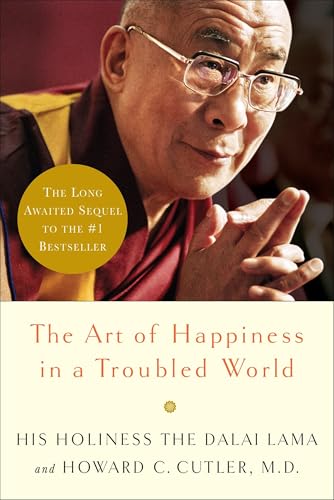
When global challenges seem overwhelming and personal struggles feel insurmountable, discovering practical pathways to genuine happiness becomes not just desirable but essential. This profound exploration offers readers a transformative dialogue between ancient Buddhist wisdom and contemporary psychological insight, creating a bridge between Eastern spiritual tradition and Western understanding of human wellbeing.
The central premise challenges a fundamental misconception many people hold about happiness: that it depends primarily on external circumstances. Instead, readers will discover that lasting contentment emerges from cultivating specific mental habits and perspectives that remain accessible regardless of what turmoil surrounds us. This distinction becomes particularly powerful when facing the complex challenges of modern life, from economic uncertainty to social conflict to personal loss.
Throughout these pages, readers encounter a compassionate yet practical framework for understanding how our minds create suffering and, more importantly, how we can train them to create peace. The exploration recognizes that troubled times are not aberrations but rather fundamental aspects of human existence. Rather than waiting for perfect conditions to pursue happiness, this approach teaches that we can develop resilience and joy even amid difficulty. This represents a radical shift from the consumer-driven happiness narratives dominating contemporary culture, which suggest that acquiring more possessions or achieving external success will bring fulfillment.
A significant portion of the material addresses how we relate to others during times of stress and conflict. Readers will discover that our capacity for compassion and forgiveness extends far beyond sentimentality, functioning instead as powerful psychological tools that genuinely reduce our own suffering. This reciprocal benefit proves particularly relevant in a world fractured by political polarization, religious conflict, and social discord. The teachings illuminate how expanding our circle of concern beyond those we naturally like creates profound shifts in our mental and emotional landscape.
The dialogue also explores the relationship between personal happiness and social responsibility. Rather than presenting these as competing interests, the material demonstrates how genuine inner peace naturally motivates ethical action and genuine care for others' wellbeing. This integration proves crucial for readers who feel torn between personal wellbeing practices and the compelling call to address injustice and suffering in the world. The exploration shows these paths as complementary rather than contradictory.
Practical meditation techniques and mental exercises woven throughout provide readers with concrete tools they can implement immediately. These are not presented as mystical or requiring special talent but rather as trainable skills available to anyone willing to practice. The approach respects the scientific understanding of neuroplasticity while drawing from centuries of refined spiritual practice, creating an approach that satisfies both analytical and intuitive dimensions of human consciousness.
The material addresses common obstacles people encounter when beginning inner work: doubt, difficulty maintaining focus, the gap between intellectual understanding and felt experience, and the challenge of sustaining practice during difficult periods. Rather than glossing over these challenges, the exploration normalizes them while offering specific strategies for persistence and self-compassion through struggles.
Readers will also gain insight into how happiness differs from pleasure, and why this distinction matters for creating sustainable wellbeing. This understanding helps people navigate the numerous distractions and temptations of modern life with greater wisdom, recognizing that momentary gratification often undermines deeper satisfaction.
For anyone genuinely seeking to transform their relationship with difficulty, develop stronger inner resources, and contribute meaningfully to a troubled world, this exploration offers both philosophical depth and practical guidance. The material respects readers' intelligence while remaining accessible, addressing universal human concerns through a perspective forged in monastery and refined through decades of engagement with contemporary issues. This is not escapist spirituality but rather a grounded approach to becoming more fully human.