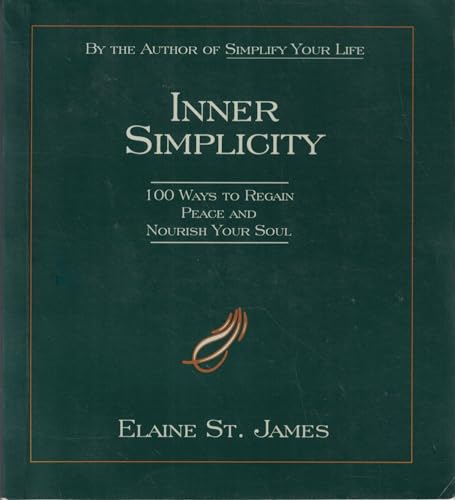
Discover how the relentless pace of modern life has filled your days with unnecessary complexity, and learn proven strategies to reclaim your time, energy, and peace of mind. This transformative exploration reveals that true wealth is not measured in possessions or achievements, but in the spaciousness and freedom you create in your life.
The central premise of this work speaks to a fundamental human hunger: the desire to live more authentically and with greater ease. As contemporary society accelerates and demands multiply, many people find themselves trapped in cycles of consumption, obligation, and endless busyness. They accumulate possessions they don't need, maintain relationships that drain them, and pursue goals that no longer serve their deeper values. The path forward, as presented here, involves a radical reimagining of what constitutes a good life.
Throughout these pages, you will encounter a refreshingly practical approach to simplification. This is not about deprivation or extreme minimalism that leaves life feeling barren. Rather, it is about making conscious choices regarding where your attention and resources flow. The philosophy presented acknowledges that by eliminating what truly doesn't matter, you naturally create space for what does. This gentle but powerful principle becomes the foundation for lasting personal transformation.
Readers will discover concrete, actionable steps for evaluating every area of life. What possessions are you keeping out of obligation, guilt, or fear rather than genuine utility or joy? What commitments have you accumulated that no longer align with your authentic priorities? What habits and routines have you inherited without questioning whether they serve your highest good? These foundational questions open the door to genuine change.
One of the most valuable aspects of this exploration is its recognition that simplification is not a one-time event but an ongoing practice. Life circumstances change, perspectives evolve, and what felt right in one season may need adjustment in another. This dynamic approach prevents readers from becoming rigid or dogmatic about their choices, instead fostering flexibility and self-compassion throughout the journey.
The deeper psychological dimensions of simplification are also addressed thoughtfully. Why do we accumulate possessions beyond what we need? What emotional needs drive our busyness? How do external complexity and internal anxiety feed one another? By understanding these connections, readers gain insight into their own patterns and develop genuine freedom rather than merely adopting new rules.
The environmental and social consciousness woven throughout this work resonates powerfully with readers seeking to live with integrity. When you consume less mindlessly, you naturally reduce your ecological footprint. When you step back from the consumer treadmill, you gain perspective on the systems that profit from keeping you perpetually dissatisfied. When you invest your limited time more intentionally, you can direct it toward relationships, creativity, and contribution that actually matter to you and your community.
What makes this exploration particularly relevant is its timeliness. Written during an era of growing awareness about quality of life versus standard of living, it anticipated many conversations now happening about burnout, sustainability, and authentic happiness. The insights remain remarkably fresh and applicable to contemporary challenges.
Ultimately, readers will discover that simplification is not about having less for the sake of having less. It is about having exactly what you need and want, no more and no less, so that your life becomes an accurate expression of your deepest values. It is about time freedom, mental clarity, and the profound peace that comes from alignment between how you live and who you actually are.
This work offers permission and practical guidance to step off the treadmill and build a life characterized by intention, authenticity, and genuine abundance.