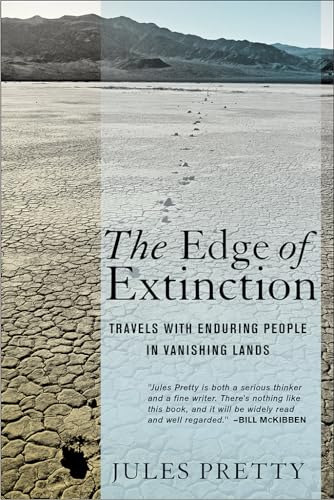
Our world stands at a crossroads. Biodiversity is disappearing at rates not seen since the extinction of the dinosaurs, ecosystems are collapsing under the weight of human activity, and countless species face an uncertain future. Yet this environmental crisis is not simply an ecological problem—it is fundamentally a human problem that touches every aspect of our existence, from the food we eat to the air we breathe to the spiritual connection we maintain with the natural world.
This compelling examination of biodiversity loss and ecosystem collapse reveals the intricate connections between environmental destruction and human well-being. It presents a sobering yet ultimately hopeful perspective on one of the defining challenges of our time: the acceleration toward what scientists call "the edge of extinction," a point where the loss of species and natural systems threatens to unravel the very foundation of human civilization.
The exploration begins by establishing the staggering scale of environmental decline occurring across our planet. Readers will discover concrete evidence of how industrial agriculture, habitat destruction, pollution, and climate change have pushed thousands of species toward oblivion. From amphibians to pollinators to large predators, the patterns of decline paint a portrait of a world in crisis. But rather than presenting only doom and despair, the narrative provides essential context for understanding how we arrived at this precipice and, more importantly, how we might step back from it.
One of the most valuable aspects of engaging with this material is understanding the hidden connections between environmental health and human prosperity. The work demonstrates that biodiversity loss is not an abstract scientific concern relegated to wildlife biologists and conservation experts. Instead, it directly impacts food security, water availability, disease prevention, climate stability, and economic prosperity. When we lose pollinators, we threaten agricultural systems that feed billions. When we destroy wetlands, we lose natural flood protection and water purification systems. When we eliminate apex predators, we trigger cascading ecological imbalances that eventually harm humans. These are not merely theoretical concerns but practical, immediate threats to our survival and quality of life.
The narrative carefully examines how conventional approaches to development and progress have created the conditions for mass extinction. Industrial agricultural practices, while feeding growing populations, have simultaneously sterilized landscapes and eliminated the diversity necessary for long-term food security. Economic systems that externalize environmental costs have allowed short-term profits while creating long-term ecological debt. The exploration of these systemic failures is crucial for anyone seeking to understand not just what is wrong, but why our current path is fundamentally unsustainable.
What sets this examination apart is its refusal to treat environmental crisis as separate from human consciousness and values. It invites readers to consider how our relationship with nature has shifted over time, how industrialization has severed our connection to the living systems that sustain us, and what we have lost in the process. This perspective resonates deeply with those on spiritual paths or engaged in personal growth work, as it suggests that healing our relationship with nature is inseparable from healing ourselves.
Crucially, the work does not leave readers paralyzed by despair. Instead, it provides evidence of restoration, recovery, and regeneration. It documents how damaged ecosystems can heal when given the chance, how human ingenuity can be redirected toward regenerative practices, and how communities around the world are already demonstrating that another path is possible. These examples of hope and resilience offer readers concrete inspiration and practical proof that individual and collective action can make a difference.
For those committed to personal growth and social consciousness, this material provides essential knowledge for informed decision-making about consumption, career choices, and advocacy. Understanding the true state of our environment and the stakes involved in ecosystem collapse empowers individuals to live more consciously and participate more effectively in cultural transformation.
This essential exploration offers both the knowledge and the motivation necessary for anyone seeking to understand and address one of humanity's greatest challenges.