
Happiness & Success
Achieving Happiness Through Acceptance of Life
The quest for happiness often leads to frustration, as many fail to realize that the...









Life inevitably brings suffering, loss, and difficult seasons that test our resolve and challenge our sense of purpose. Whether facing personal tragedy, chronic illness, broken relationships, or unexpected setbacks, pain is a universal human experience that no one can escape. Yet within these valleys of hardship lies a profound opportunity for growth, transformation, and deeper spiritual understanding that most people miss entirely.
This transformative guide offers a radically different perspective on suffering by revealing how life's most painful moments can become catalysts for unprecedented personal development and spiritual awakening. Rather than viewing pain as something to simply endure or quickly move past, readers discover a framework for extracting meaning, wisdom, and purpose from their darkest hours. The central premise challenges conventional thinking: pain is not wasted when we learn to process it properly and allow it to reshape us into more compassionate, resilient, and spiritually mature individuals.
Drawing from both personal experience and years of counseling others through crisis, the guidance provided here walks readers through practical strategies for navigating suffering without becoming bitter, defeated, or spiritually stunted. The approach is deeply rooted in Christian faith perspectives while remaining accessible to anyone seeking to find purpose in their pain. Readers learn to recognize the difference between productive suffering that leads to growth and destructive patterns that keep them trapped in cycles of victimhood and despair.
Read more ▼
Shahid Naeem, Suzanne Lipton, Tiff Van Huysen
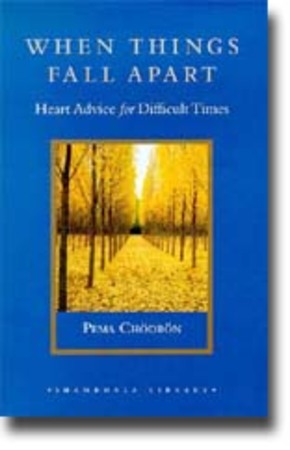
Pema Chödrön

Sarah Van Gel dder

Animal Machines: The New Factory Farming Industry
Ruth Harrison, M. S. Dawkins
The quest for happiness often leads to frustration, as many fail to realize that the...

Reaching sixty can evoke complex emotions, blending relief with ongoing ambition. This...

The quest for life's purpose often leads to unsatisfactory answers. This article...

Romantic love is a complex emotion shaped by historical, cultural, and biological...

Imagine going through one of the most physically and emotionally demanding experiences...

Daily actions often conflict with personal beliefs due to past experiences. By utilizing...

Have you ever argued over something that wasn't actually said? From cultural differences...

Therapists often use dream interpretation to delve into patients' emotions, but true...