
Happiness & Success
Achieving Happiness Through Acceptance of Life
The quest for happiness often leads to frustration, as many fail to realize that the...









Imagine discovering that the path to genuine happiness doesn't run through shopping malls, status symbols, or endless accumulation, but rather through building resilient communities, protecting the natural world, and creating systems that honor both people and planet. This groundbreaking exploration reveals how the environmental crisis and our personal wellbeing are intimately connected, and how addressing one naturally leads to greater fulfillment in the other.
Drawing from dozens of interviews with activists, community organizers, social entrepreneurs, and everyday citizens who are creating positive change, this work illuminates a revolutionary idea: that working toward environmental sustainability and social justice isn't a sacrifice or burden, but actually a pathway to deeper, more lasting contentment than consumer culture could ever provide. These aren't abstract theories or wishful thinking, but real stories from people who have discovered meaning, connection, and joy through their commitment to healing the planet and building more equitable communities.
Readers will encounter inspiring examples of communities that have transformed their relationship with consumption, energy, food, and each other. From neighborhoods creating sharing economies to cities transitioning to renewable energy, from workers forming cooperatives to citizens reclaiming democratic power, the evidence presented demonstrates that another way of living is not only possible but already emerging. These pioneers are discovering that as they reduce their environmental footprint and work toward systemic change, they simultaneously experience increases in life satisfaction, social connection, and sense of purpose.
Read more ▼
20 Communication Tips for Families
Eric Maisel

Jessica Gurevitch, Samuel M. Scheiner, Gordon A. Fox
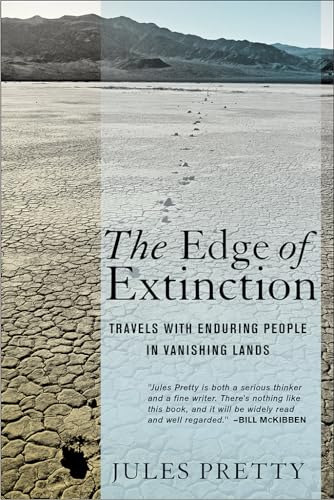
Jules N. Pretty
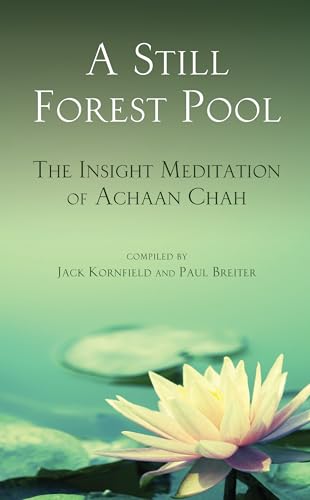
Achaan Chah
The quest for happiness often leads to frustration, as many fail to realize that the...

Reaching sixty can evoke complex emotions, blending relief with ongoing ambition. This...

The quest for life's purpose often leads to unsatisfactory answers. This article...

Romantic love is a complex emotion shaped by historical, cultural, and biological...

Imagine going through one of the most physically and emotionally demanding experiences...

Have you ever argued over something that wasn't actually said? From cultural differences...

Daily actions often conflict with personal beliefs due to past experiences. By utilizing...

Therapists often use dream interpretation to delve into patients' emotions, but true...