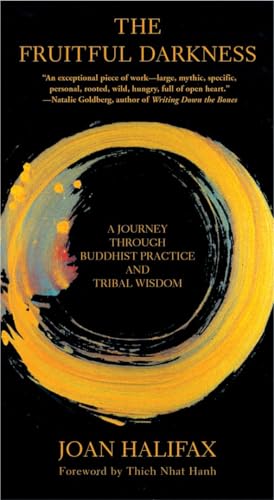
Darkness has always held a peculiar power in human experience. It frightens us, yet it also offers profound gifts when we learn to meet it with courage and curiosity. This exploration of darkness as a spiritual teacher invites readers into a counterintuitive journey where suffering, loss, and the unknown become pathways to genuine transformation and awakening.
Most spiritual traditions and personal development frameworks encourage us to move toward light, to cultivate positivity, and to overcome our shadows. Yet this work presents a radically different perspective: that true growth requires us to develop an intimate relationship with darkness in all its forms. Whether darkness appears as grief, fear, failure, uncertainty, or the natural endings that life inevitably brings, these experiences contain essential wisdom that cannot be accessed through avoidance or denial.
The central insight here is revolutionary for many readers. Darkness is not something to be conquered or transcended, but rather something to be befriended and understood. When we approach our pain, confusion, and loss with openness rather than resistance, we discover that these experiences contain profound teachings about compassion, resilience, and what it truly means to be fully human. The fruitful darkness refers to this paradoxical truth: that what appears barren and empty on the surface can nurture genuine psychological and spiritual growth.
Readers will discover how contemplative practices, particularly meditation and mindfulness, provide essential tools for navigating difficult inner terrain. Rather than using meditation to escape or suppress uncomfortable experiences, this approach teaches practitioners to turn toward their suffering with gentle awareness. This shift in perspective transforms meditation from a tool for achieving peace through avoidance into a practice that develops genuine peace through understanding and integration.
Throughout these pages, the integration of Buddhist wisdom with Western psychological insight creates a bridge between ancient spiritual tradition and contemporary therapeutic understanding. This synthesis proves particularly valuable for modern readers seeking to address both their spiritual yearning and their emotional wounds. The work acknowledges that authentic transformation requires engaging with both our inner psychological landscapes and our deepest spiritual questions.
The exploration extends beyond individual transformation into collective responsibility. In connecting personal darkness work to social consciousness, readers learn that their individual healing directly impacts their capacity to serve others and work toward social justice. When we understand our own suffering deeply, we develop genuine empathy for the suffering of others. This natural compassion becomes the foundation for meaningful social action and cultural transformation.
Several practical dimensions emerge throughout this exploration. Readers will learn specific contemplative techniques for working with grief, fear, and uncertainty. They'll discover how to distinguish between productive suffering that catalyzes growth and destructive rumination that perpetuates pain. They'll explore the relationship between acceptance and change, discovering that genuine transformation often requires accepting what is before we can effectively work toward what might be.
The work also addresses how darkness relates to meaning and purpose. When life circumstances force us to confront limitations, mortality, and loss, we often experience a clarification of what truly matters. This existential confrontation, while uncomfortable, frequently catalyzes profound reorientation toward more authentic and purposeful living. Many readers report that their darkest periods ultimately became their most generative, offering unexpected gifts of insight, compassion, and spiritual maturation.
For those seeking personal empowerment grounded in realistic understanding of human experience, this exploration offers essential teachings. Rather than promising escape from difficulty, it offers something far more valuable: a framework for transforming difficulty into wisdom. Readers seeking depth, authenticity, and genuine transformation will find themselves fundamentally changed by these insights about meeting darkness with open hearts and discovering the unexpected fruits that emerge from this profound encounter.