What if everything you've been told about health and wellness is only half the story? What if the secret to longevity, vitality, and genuine wellbeing lies not in doctor's offices or vitamin supplements, but in something far more accessible and profound? This groundbreaking exploration reveals one of the most remarkable phenomena in medical history: a small Italian-American village where residents experienced dramatically lower rates of heart disease, despite living in poverty and contradiction to all conventional health wisdom.
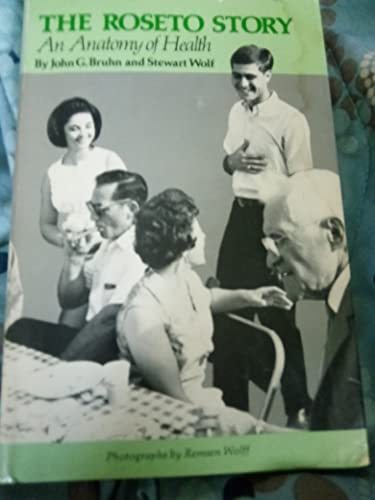
The story begins in the 1960s when researchers discovered something astonishing. In Roseto, Pennsylvania, a tight-knit community of Italian immigrants was experiencing heart disease rates less than half the national average. Even more puzzling, this protection seemed to vanish when residents moved away or when younger generations adopted American lifestyles and values. The mystery was irresistible to researchers, and their investigation would fundamentally challenge everything medicine thought it knew about health determinants.
Conventional medical wisdom pointed to predictable culprits for heart disease: diet, exercise, genetics, and lifestyle habits. Yet Roseto residents violated nearly every health recommendation. They ate rich foods loaded with fat and salt. They smoked. They weren't particularly athletic. Their genetics were no different from neighboring communities that suffered dramatically higher disease rates. For years, cardiologists and epidemiologists were stumped. The answer they eventually discovered was revolutionary: the extraordinary health of Roseto residents stemmed from their social structure, community bonds, and way of life.
This narrative explores how genuine connection, mutual support, and strong social fabric create physiological protection that rivals any pharmaceutical intervention. The Roseto community maintained powerful family structures, regular social gatherings, clear social hierarchies that provided order, and a collective sense of belonging that created profound psychological security. These elements weren't incidental to their health—they were fundamental to it.
For readers seeking personal empowerment and genuine transformation, this narrative offers crucial insights into how we construct healthy lives. It reveals that true wellness extends far beyond individual choices about diet and exercise. Instead, it encompasses how we relate to others, how embedded we are in community, and how valued we feel within our social world. The research demonstrates that loneliness, isolation, and social fragmentation are as dangerous to our hearts and bodies as any physical risk factor.
The investigation documents the gradual decline of Roseto's protective factors as the community modernized and assimilated into broader American culture. Younger generations moved away. Family structures loosened. Social gatherings became less frequent. Traditional hierarchies were questioned. As these communal bonds eroded, so did the health advantage. Heart disease rates climbed toward national averages. This tragic progression illustrates that no amount of individual healthy choices can fully compensate for disconnection and isolation.
The profound lesson here speaks directly to contemporary challenges. In our modern world of digital connection and geographical mobility, many experience unprecedented loneliness despite being "connected" to hundreds of people online. This exploration reveals why those superficial connections cannot replace genuine community. Our bodies and psyches are designed for real presence, interdependence, and belonging.
For those seeking authentic personal empowerment, understanding these principles is transformative. True health and vitality emerge from cultivating genuine relationships, participating meaningfully in communities, and creating social structures that support collective wellbeing. The Roseto story demonstrates that the path to empowered living runs through connection rather than isolation, through collective responsibility rather than pure individualism, and through recognition that our health is inseparably linked to the health of our communities.
This is not merely a medical curiosity but a radical reorientation toward what genuine wellness means and how we can create lives of profound satisfaction and longevity.