


Happiness & Success
Achieving Happiness Through Acceptance of Life
The quest for happiness often leads to frustration, as many fail to realize that the...








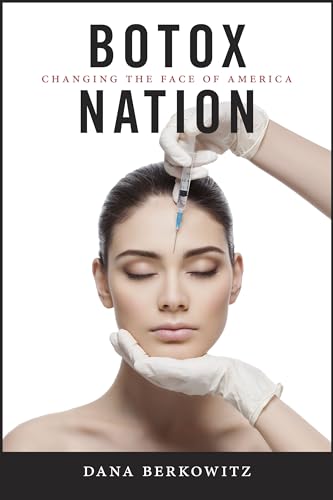
The American pursuit of physical perfection has transformed dramatically over the past few decades, evolving from occasional cosmetic procedures reserved for the wealthy elite into a mainstream phenomenon that shapes how millions of people view themselves and their worth. Through meticulous research and compelling interviews, readers are invited to explore the cultural forces that have normalized cosmetic enhancement and examine what this reveals about contemporary identity, aging, and the relentless pressure to maintain a youthful appearance.
At the heart of this exploration lies a fundamental question about personal agency and social influence: Are individuals freely choosing to enhance their appearance, or are they responding to deeply ingrained cultural pressures that equate youth with value and aging with obsolescence? The examination goes beyond surface-level judgments to reveal the complex motivations, anxieties, and negotiations that accompany decisions about cosmetic procedures. Readers encounter real stories from diverse individuals who have sought out treatments ranging from wrinkle reduction to more extensive interventions, each narrative illuminating different aspects of the contemporary beauty landscape.
The investigation reveals how the cosmetic enhancement industry has successfully rebranded itself from the realm of vanity into the territory of self-care and empowerment. Marketing strategies have cleverly positioned these procedures not as superficial indulgences but as practical investments in one's career, relationships, and psychological well-being. This reframing has profound implications for how people understand personal empowerment itself. Is taking control of one's appearance through medical intervention an act of self-determination, or does it represent capitulation to narrow beauty standards? The analysis encourages readers to sit with this tension rather than rushing to easy answers.
Read more ▼
David DeSteno

Nicholas Pearson
The quest for happiness often leads to frustration, as many fail to realize that the...

Reaching sixty can evoke complex emotions, blending relief with ongoing ambition. This...

The quest for life's purpose often leads to unsatisfactory answers. This article...

Imagine going through one of the most physically and emotionally demanding experiences...

Romantic love is a complex emotion shaped by historical, cultural, and biological...

Daily actions often conflict with personal beliefs due to past experiences. By utilizing...

Have you ever argued over something that wasn't actually said? From cultural differences...

Therapists often use dream interpretation to delve into patients' emotions, but true...