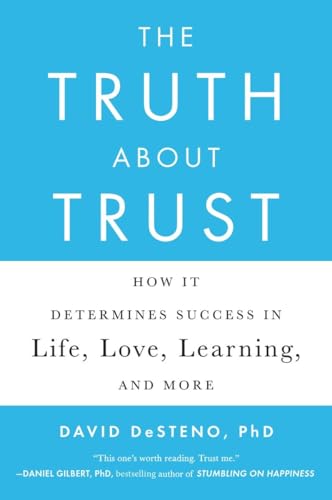


Trust stands as one of the most consequential forces shaping our lives, yet it remains among the most misunderstood aspects of human behavior. Every meaningful relationship, professional endeavor, and collaborative effort depends on our ability to accurately assess who deserves our confidence and when to extend it. Getting this calculation wrong can lead to devastating betrayals, missed opportunities, or a life lived behind walls of cynicism and isolation.
Drawing on groundbreaking psychological research and neuroscience, this illuminating exploration reveals how trust actually works in the human mind and body. Rather than relying on folk wisdom or outdated assumptions about human nature, readers discover the scientific foundations of trust, including the surprising biological mechanisms that guide our decisions about whom to believe and when to take leaps of faith with others.
One of the most valuable insights offered concerns the dynamic nature of trust itself. Rather than being a fixed personality trait that divides people into trusting or suspicious types, trust operates as a sophisticated calibration system that responds to subtle social cues and contextual factors. Understanding this flexibility empowers readers to make better judgments in real time, recognizing that trustworthiness fluctuates based on circumstances, incentives, and emotional states.
The exploration delves deeply into the fascinating research revealing that our bodies often know whom to trust before our conscious minds catch up. Physical signals like synchrony in movement, changes in vocal pitch, and micro-expressions provide valuable information that our intuitive systems process automatically. Learning to recognize and interpret these signals gives readers a powerful advantage in navigating complex social situations, from business negotiations to intimate relationships.
Particularly compelling is the examination of trust's relationship to time. Research demonstrates that trustworthiness dramatically depends on temporal perspective. People facing immediate temptations behave very differently than those focused on long-term rewards and relationships. This understanding transforms how we evaluate others and ourselves, suggesting that creating conditions that encourage long-term thinking naturally promotes more trustworthy behavior.
The work also addresses the paradox at the heart of modern society: while trust remains essential for flourishing communities and meaningful connections, we're increasingly confronted with situations where trusting others seems risky or naive. Rather than advocating for blanket trust or thoroughgoing skepticism, readers learn to develop discernment—the capacity to extend trust strategically while protecting themselves from exploitation.
Special attention goes to the role of reciprocity and reputation in building trustworthy relationships and communities. These ancient mechanisms continue to operate powerfully in contemporary life, even in our globally connected, digitally mediated world. Understanding how reputation systems function provides practical guidance for cultivating one's own trustworthiness while identifying others who have demonstrated reliability over time.
The discussion extends beyond individual relationships to examine trust at the societal level. Communities with higher levels of social trust experience measurable benefits in health, happiness, and economic prosperity. Yet cultivating this collective trust requires understanding the psychological and social conditions that allow it to flourish, from fair institutions to frequent positive interactions across diverse groups.
Perhaps most empowering is the evidence that trustworthiness and the capacity for trust can be developed and strengthened. Rather than accepting one's current trust patterns as fixed, readers discover practical approaches for recalibrating their trust systems, healing from betrayals, and building stronger connections. Specific techniques grounded in research offer pathways for moving beyond past hurts without becoming cynical or closed off to genuine opportunities for connection.
This scientifically grounded yet highly accessible exploration provides readers with tools for navigating one of life's most consequential challenges. By understanding how trust actually operates rather than how we assume it works, anyone can make wiser decisions about relationships, strengthen existing bonds, and contribute to building more trustworthy communities. The insights offered promise to transform not just individual lives but the broader social fabric we all depend upon.
Read more ▼