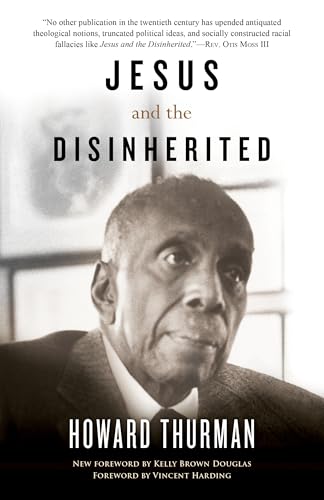
Discover a profound spiritual framework designed specifically for those who have been pushed to society's margins. This transformative work explores how authentic spirituality becomes not an escape from suffering, but a powerful resource for dignity, resistance, and liberation. Originally delivered as lectures at Spelman College during the turbulent 1940s, this wisdom offers timeless guidance for anyone seeking to maintain their humanity and spiritual integrity in the face of systemic injustice and personal powerlessness.
At its heart, this exploration examines the radical spirituality found within the teachings of Jesus, stripping away centuries of institutional interpretation to reveal truths that speak directly to the experience of the disinherited—those systematically excluded from power, resources, and recognition. The work challenges the common misconception that spirituality requires acceptance of oppression or passive resignation to suffering. Instead, it presents a dynamic spiritual practice that simultaneously honors the sacred within each person while providing practical tools for navigating a world that actively denies your worth.
The central insight involves understanding how authentic spiritual practice creates internal freedom even when external circumstances remain constrained. This distinction proves revolutionary. While you may not immediately control your circumstances, you can reclaim sovereignty over your inner life, your self-perception, and your response to injustice. This freedom of spirit becomes the foundation upon which genuine personal power is built, regardless of your social position or economic status.
Throughout these pages, you will encounter a reframing of fear, deception, and hatred—three forces that the disinherited must navigate. Rather than viewing these as inevitable aspects of oppression, the work demonstrates how spiritual consciousness transforms your relationship with these forces. Fear loses its paralyzing grip when you connect with something larger than yourself. Deception becomes recognizable and resistible when you cultivate clarity about your true nature and value. Hatred—whether directed at oppressors or internalized as self-loathing—dissolves when you commit to a spiritual practice rooted in love and authenticity.
Readers will discover practical applications for daily life that transcend mere theoretical philosophy. These are actionable spiritual principles that can be implemented immediately, whether you're facing workplace discrimination, economic struggle, social exclusion, or any form of systematic marginalization. The wisdom applies equally to those experiencing personal powerlessness alongside social factors, offering guidance for anyone feeling trapped by circumstances beyond their control.
A particularly valuable dimension involves understanding community and solidarity. Spiritual transformation need not be a solitary journey. Instead, this exploration celebrates how shared spiritual practice within marginalized communities creates both resistance and resilience. Your spiritual journey becomes strengthened and enriched through connection with others navigating similar challenges, transforming isolation into collective consciousness and individual struggle into community power.
The work also challenges conventional religious interpretations that have historically been used to justify oppression. By returning to the original teachings stripped of institutional overlay, you encounter a Jesus whose message was inherently radical—speaking directly to the poor, the excluded, and the powerless with profound affirmation of their worth and potential. This reclamation of spiritual tradition becomes deeply empowering for those who may have been taught that their spirituality requires accepting injustice.
For contemporary readers, this meditation remains startlingly relevant. Whether you experience marginalization through economic status, race, gender, disability, or any other dimension of identity, the spiritual framework presented speaks directly to your situation. It validates your experience while refusing to let injustice have the final word about your humanity or possibilities.
This work ultimately serves as a companion for your personal transformation, offering both comfort and challenge. It validates struggle while inspiring transcendence, acknowledges pain while pointing toward liberation, and honors your current circumstances while expanding your vision of what becomes possible when spirituality becomes a living practice rather than mere belief.