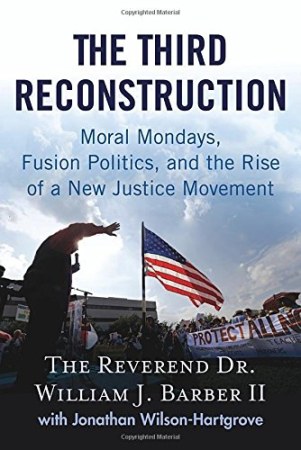
Discover a transformative exploration of America's moral and spiritual crossroads that challenges readers to reimagine their role in creating fundamental social change. This powerful work invites you to examine how personal values align with systemic inequality and what it truly means to engage in meaningful transformation—both individually and collectively.
At its core, this examination presents a compelling argument that the United States stands at a critical moment requiring a new moral awakening. Drawing from deep historical roots and spiritual traditions, the narrative reveals how previous periods of profound social transformation emerged from grassroots movements grounded in moral conviction rather than political calculation. By understanding these historical precedents, readers gain perspective on the nature of real change and what it demands from those who seek it.
The work weaves together history, spirituality, and social analysis to demonstrate that personal empowerment cannot be separated from social consciousness. You'll discover how the most significant movements for justice throughout American history arose when people recognized their interconnectedness and understood that their individual well-being was inseparable from the well-being of their communities. This integration of personal and collective consciousness offers a refreshing counterpoint to individualistic approaches to success and fulfillment.
Throughout these pages, readers encounter a profound reimagining of what progress actually means. Rather than accepting conventional definitions of success measured by economic metrics alone, the work invites you to consider deeper questions about human dignity, moral purpose, and the kind of society we actively choose to create. This perspective shift alone can be liberating for those who sense that something vital is missing from purely materialistic approaches to achievement.
The spiritual dimension woven throughout provides grounding for those seeking meaningful action. By connecting contemporary challenges to broader spiritual principles present in multiple faith traditions, the work demonstrates that calls for justice and equality are fundamentally spiritual imperatives, not merely political positions. This integration appeals to readers seeking to live with greater authenticity and alignment between their deepest values and their daily choices.
One of the most valuable insights readers gain involves understanding how systemic inequality persists not through the malice of individuals but through structures that have become normalized and invisible. By illuminating these systems and their historical origins, the work empowers readers to see past surface-level explanations and recognize how their own circumstances are shaped by forces far larger than personal effort alone. This clarity, while sometimes uncomfortable, is genuinely liberating because it shifts focus from self-blame to strategic engagement with real problems.
The work also offers practical wisdom about coalition-building and grassroots organizing grounded in moral conviction. For readers feeling isolated in their concerns about social inequality, this exploration demonstrates that movements emerge when individuals recognize they're not alone in their values and connect with others around shared moral principles. This message directly addresses the sense of powerlessness many thoughtful people experience in the face of overwhelming problems.
Perhaps most importantly, this exploration offers readers permission to think differently about their own agency and responsibility. Rather than accepting the false choice between cynical acceptance and naive optimism, you'll discover a path grounded in clear-eyed realism about challenges while maintaining genuine hope rooted in historical evidence that change is possible when people act together from conviction.
For those seeking to align their lives with their values and wondering how personal growth connects to broader social transformation, this work provides both intellectual framework and spiritual encouragement. It speaks directly to the hunger many feel to live more meaningfully and to contribute to something larger than themselves. In doing so, it transforms how readers understand the relationship between personal empowerment and collective liberation, offering a vision where individual awakening and social progress are ultimately inseparable.