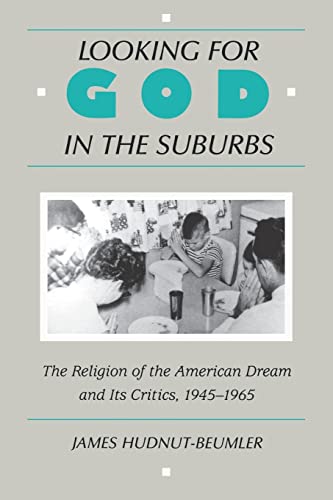
Discover how spirituality flourishes in the most unexpected places—the shopping malls, residential neighborhoods, and everyday communities where millions of Americans actually live. This exploration delves into the fascinating paradox of contemporary religious life, examining how faith, community, and personal meaning-making have transformed in the landscape of post-war American suburbs.
Most discussions of American spirituality focus on grand cathedrals, megachurches, or the dramatic religious movements that capture headlines. Yet the real story of how ordinary people navigate their spiritual lives unfolds in much quieter settings. This work invites readers to look beyond stereotypes and assumptions about suburban life to discover the genuine spiritual yearnings and practices that characterize American culture today.
The suburban environment presents a unique spiritual laboratory. These communities, which house the majority of Americans, represent a particular experiment in how people build lives, create meaning, and seek connection with something larger than themselves. Rather than dismissing suburbs as spiritually barren or culturally shallow, this examination reveals how residents in these areas engage in profound spiritual quests while juggling mortgages, commutes, and the demands of contemporary life.
What emerges is a nuanced picture of religious diversity and spiritual exploration happening in plain sight. Americans living in suburbs may not fit traditional images of the deeply religious—yet they wrestle with the same fundamental questions that have always driven human spirituality. How should I live? What matters most? How do I find community and belonging? Where can I discover authentic meaning in my daily existence? These questions animate suburban spiritual life just as they have animated every human community throughout history.
Readers will gain valuable insights into the varieties of spiritual experience available within ordinary American communities. The exploration covers traditional denominational Christianity alongside newer spiritual movements, from established Protestant and Catholic parishes to contemporary evangelical communities to alternative spiritual seekers. This religious diversity reflects a broader American cultural shift toward spiritual pluralism and individual spiritual autonomy, where people increasingly craft personal spiritual paths rather than simply inheriting religious traditions.
The work also illuminates how modern institutional religion adapts to suburban contexts and suburban values. Churches, temples, and spiritual communities must respond to the particular needs and rhythms of suburban life—family-centered programming, accessibility by car, integration with consumer culture, and the demand for relevance to contemporary problems. Understanding these adaptations helps readers see how spiritual institutions themselves are transformed by the environments and people they serve.
For those interested in personal spiritual growth, this examination offers crucial context. It validates the search for meaning happening in everyday American life and demonstrates that authentic spirituality need not look exotic or countercultural. Your own spiritual questions and yearnings are part of a broader American phenomenon that deserves serious attention and respect.
The work also addresses the tension between materialism and spirituality that characterizes suburban culture. While suburbs are often associated with consumerism and material accumulation, residents simultaneously pursue genuine spiritual depth. This paradox reveals something important about human nature—our capacity to hold multiple values and desires simultaneously, and our persistent search for transcendence even within materialistic contexts.
Understanding suburban spirituality matters for personal empowerment because it validates diverse paths to meaning-making and demonstrates that authentic spiritual life flourishes in ordinary circumstances. Whether you live in suburbs or cities, engage with traditional religion or alternative spirituality, this perspective encourages you to honor the spiritual dimensions of your own experience and community.
The insights presented foster compassion and understanding toward how others navigate spiritual questions while building meaningful lives within contemporary American culture. They also challenge readers to examine their own assumptions about spirituality, community, and what constitutes authentic religious experience.