
Happiness & Success
Achieving Happiness Through Acceptance of Life
The quest for happiness often leads to frustration, as many fail to realize that the...








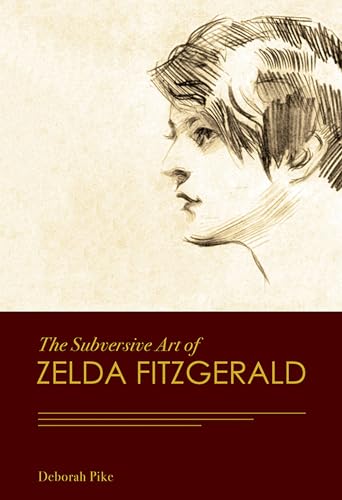
# Personal Empowerment Through the Life and Legacy of a Hidden Revolutionary
Zelda Fitzgerald stands as one of the most misunderstood figures of American cultural history. While many know her primarily as the glamorous wife of F. Scott Fitzgerald, relegated to the footnotes of literary history, this exploration reveals a far more complex and deliberately transgressive artist whose work challenged the conventions of her era in ways that continue to resonate today. Discovering her true story offers profound lessons for anyone seeking to understand how creativity, authenticity, and quiet rebellion can transform both personal lives and culture at large.
During the Jazz Age, when women were expected to occupy prescribed roles, Zelda forged her own path as a writer, dancer, artist, and thinker. Her contributions to literature and culture were substantial, yet she was systematically diminished, her work attributed to her husband, her ambitions pathologized, and her voice suppressed by the social structures of her time. The popular narrative cast her as a troubled woman, a burden on a genius, a footnote in someone else's story. This reexamination exposes how such narratives served to control her and demonstrates the subversive nature of her refusal to accept such limitations.
Read more ▼
Roberta Maisel

Marc Rogers
The quest for happiness often leads to frustration, as many fail to realize that the...

Reaching sixty can evoke complex emotions, blending relief with ongoing ambition. This...

The quest for life's purpose often leads to unsatisfactory answers. This article...

Imagine going through one of the most physically and emotionally demanding experiences...

Romantic love is a complex emotion shaped by historical, cultural, and biological...

Daily actions often conflict with personal beliefs due to past experiences. By utilizing...

Have you ever argued over something that wasn't actually said? From cultural differences...

Therapists often use dream interpretation to delve into patients' emotions, but true...