
# Reclaiming Your Authentic Self: Moving Beyond Childhood Patterns Into Genuine Adulthood
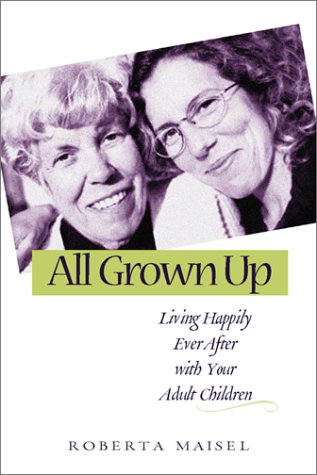
Many of us reach chronological adulthood without ever truly becoming grown up in the deepest sense. We navigate careers, relationships, and responsibilities while still operating from patterns, beliefs, and emotional responses shaped by our childhood experiences. This exploration invites readers to examine what genuine maturity actually means and how to achieve it—not as a destination, but as an ongoing process of conscious development and self-awareness.
The distinction between being an adult and being truly grown up forms the foundation of this transformative work. Chronological age tells us little about our emotional and psychological development. Many adults remain trapped in reactive patterns established decades ago, responding to life's challenges through the lens of childhood wounds, unmet needs, and inherited family dynamics. This recognition forms the starting point for meaningful change. True adulthood requires examining these patterns, understanding their origins, and consciously choosing new ways of being.
Throughout these pages, readers will discover how childhood experiences create templates for adult behavior that often operate beneath conscious awareness. The book guides exploration of how family systems, parental relationships, and early experiences shape our current responses to stress, intimacy, authority, and self-worth. More importantly, it provides frameworks for recognizing these patterns as they manifest in daily life. When you understand why you react defensively in certain situations, why relationships follow similar trajectories, or why particular circumstances trigger disproportionate emotional responses, you gain the power to change these patterns.
The work emphasizes that becoming truly grown up involves developing several critical capacities. These include the ability to take full responsibility for your choices and their consequences without blame or victimhood, to regulate your own emotions rather than depending on others to manage them for you, to communicate honestly and directly about your needs and boundaries, and to maintain perspective when life becomes challenging. True maturity means recognizing that you have agency in your life and that your continued development remains possible regardless of your past.
One of the most valuable aspects of this exploration lies in its examination of responsibility versus blame. Many adults oscillate between assuming excessive responsibility for everything that happens to them and denying any responsibility whatsoever. Genuine adulthood requires holding both truths: acknowledging how your past influences you while recognizing that you now possess the capacity to make different choices. This nuanced understanding liberates people from both grandiose self-blame and disempowered victimhood.
The text also addresses how unfinished business from childhood relationships—particularly with parents and siblings—continues affecting adult relationships. These early relational patterns become templates we unconsciously replicate in romantic partnerships, friendships, and professional relationships. By bringing awareness to these patterns, readers can make conscious choices about which aspects they wish to maintain and which they wish to transform. This process often involves grieving the relationships or family experiences we wished we had while accepting what we actually experienced.
Personal empowerment emerges naturally through this process of conscious self-examination and intentional choice-making. As readers develop greater awareness of their patterns, triggers, and conditioned responses, they simultaneously develop greater freedom in responding to life. They move from unconscious reaction to conscious response. They shift from blaming external circumstances or other people to recognizing their own agency. They transition from feeling victimized by their past to feeling empowered by their present capacity for growth.
This journey toward authentic adulthood matters profoundly because it affects every dimension of your life. Unresolved childhood patterns create suffering in relationships, undermine professional success, generate chronic stress, and prevent genuine self-love. Conversely, achieving true psychological adulthood enables deeper intimacy, greater resilience, authentic self-expression, and the capacity to build meaningful lives aligned with your values and deepest aspirations.