
Happiness & Success
Achieving Happiness Through Acceptance of Life
The quest for happiness often leads to frustration, as many fail to realize that the...








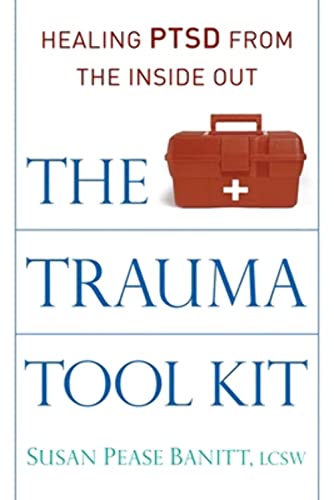
# A Path to Healing the Wounds That Shape Our Lives
Trauma exists on a spectrum, and chances are that somewhere in your life, you have experienced it. Whether through a single catastrophic event, repeated difficult circumstances, or the accumulated weight of everyday stress and disappointment, trauma leaves imprints on our bodies, minds, and spirits. Yet most of us have never been equipped with practical tools to understand and heal these wounds. This resource offers a compassionate, accessible guide to recognizing trauma's effects and taking concrete steps toward genuine recovery and wholeness.
The journey through trauma recovery often feels overwhelming and isolating. Many people struggle in silence, unaware that what they're experiencing has a name, a reason, and most importantly, a pathway to healing. This guide demystifies trauma and presents it not as a permanent condition or character flaw, but as a natural response to overwhelming experiences that can be addressed with the right understanding and tools. Rather than pathologizing suffering, the approach taken here honors the resilience already within you while offering practical strategies to move beyond survival mode into thriving.
Read more ▼
Heather Dawn Godfrey

Witch Wisdom for Magical Aging
Cait Johnson, Caitlín Matthews
Gregory Hartley
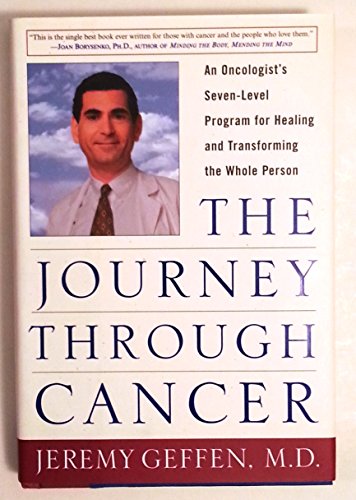
Jeremy R. Geffen
The quest for happiness often leads to frustration, as many fail to realize that the...

Reaching sixty can evoke complex emotions, blending relief with ongoing ambition. This...

The quest for life's purpose often leads to unsatisfactory answers. This article...

Romantic love is a complex emotion shaped by historical, cultural, and biological...

Imagine going through one of the most physically and emotionally demanding experiences...

Daily actions often conflict with personal beliefs due to past experiences. By utilizing...

Have you ever argued over something that wasn't actually said? From cultural differences...

Therapists often use dream interpretation to delve into patients' emotions, but true...