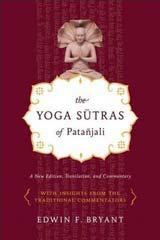
Deep within the philosophical traditions of India lies a profound system for understanding the human mind and achieving lasting peace. This comprehensive exploration presents one of the world's most influential spiritual texts in a form that speaks directly to modern seekers. Whether you're struggling with anxiety, seeking greater clarity, or pursuing deeper spiritual understanding, these timeless aphorisms offer practical wisdom that transcends cultural boundaries and historical periods.
The text begins with a fundamental premise: the mind is the gateway to transformation. Rather than viewing spirituality as something distant or purely transcendent, this work grounds spiritual practice in the observable realities of human consciousness. You'll discover that the persistent mental patterns that cause suffering—distraction, anxiety, attachment, and aversion—are not character flaws or permanent conditions. Instead, they are recognized patterns that can be systematically understood and transcended through specific practices.
Central to this teaching is the concept of yoga as the mastery of mental fluctuations. This isn't the physical posture practice many in the West associate with yoga, but rather a comprehensive system for training attention and understanding consciousness itself. You'll learn how the mind naturally tends toward chaos and how deliberate practice creates order within your internal landscape. The practical value of this knowledge cannot be overstated, particularly in our contemporary world of endless digital stimulation and fractured attention.
The text outlines specific obstacles that prevent peace and clarity, including illness, doubt, carelessness, laziness, sensory indulgence, false perception, failure to stabilize gains, and regression. If you've ever felt stuck in a spiritual practice or wondered why certain patterns keep recurring, this ancient diagnostic system provides illuminating answers. More importantly, it offers proven remedies for each obstacle, suggesting that your challenges are neither unique nor insurmountable.
A crucial section addresses the eight limbs of yoga—a progressive path that includes ethical guidelines, physical discipline, breathing practices, sensory withdrawal, concentration, meditation, and absorption. This systematized approach means you don't need to guess about your spiritual development. Instead, you have a clear map showing how consciousness can be progressively refined and deepened. Each stage builds naturally on the previous one, creating a sustainable path toward transformation rather than demanding sudden enlightenment.
Throughout, you'll encounter practical techniques for cultivating mental stability and investigating the nature of consciousness itself. The teaching on samadhi, or meditative absorption, explains how prolonged concentration leads to direct insight beyond conceptual thinking. This bridges the gap between intellectual understanding and transformative experience—a distinction that often frustrates spiritual seekers.
The commentary provided here synthesizes years of scholarly study with practical accessibility, ensuring you can grasp both the philosophical depth and immediate applicability of these teachings. Complex concepts are explained through clear language without oversimplification. You'll understand not just what to practice, but why these practices work and how they address the fundamental mechanics of human suffering and liberation.
What makes this exploration particularly valuable is its non-dogmatic approach. Rather than asking you to accept anything on faith, it invites you to test these principles through direct experience. The practices described are empirical—you observe your own mind and consciousness, gathering evidence about how attention works and how suffering arises and diminishes.
For those navigating health challenges, you'll discover how mental patterns influence physical well-being and how the cultivation of mental clarity and stability creates conditions for genuine healing. The teaching emphasizes prevention through understanding rather than crisis management, offering wisdom that supports long-term wellness.
This ancient system remains relevant precisely because it addresses timeless aspects of human consciousness. Whether you're beginning a spiritual journey or deepening an existing practice, these teachings provide both inspiration and practical guidance for creating meaningful, lasting transformation in your life.