
Happiness & Success
Achieving Happiness Through Acceptance of Life
The quest for happiness often leads to frustration, as many fail to realize that the...









During six weeks in the winter of 1937-1938, the ancient Chinese capital experienced what historians consider one of the most devastating acts of violence against civilians in the twentieth century. Between 260,000 and 350,000 Chinese citizens were systematically murdered, and tens of thousands of women were brutally assaulted. This historical account brings to light a chapter of World War II that remained largely hidden from Western consciousness for decades, offering readers an unflinching examination of humanity's capacity for cruelty and the essential work of remembering and healing from collective trauma.
Readers embarking on this journey will discover three interwoven narratives that illuminate different facets of this dark historical moment. First comes the military and political context that enabled such atrocities, exploring how dehumanization and unchecked military power create conditions for unimaginable violence. Second, the testimonies of survivors provide heartbreaking yet essential witness to human suffering and resilience. Third, the remarkable stories of courage emerge through accounts of individuals who risked everything to establish a Safety Zone, saving thousands of lives through acts of extraordinary moral courage.
The exploration extends beyond historical documentation to address why these events remained obscured for so long and the psychological mechanisms societies use to suppress traumatic memories. Readers will understand how denial, both individual and collective, prevents healing and perpetuates cycles of violence. The work illuminates the vital connection between acknowledging historical truth and the possibility of genuine reconciliation and peace. This makes the reading experience particularly relevant for those interested in trauma recovery, both personal and societal.
Read more ▼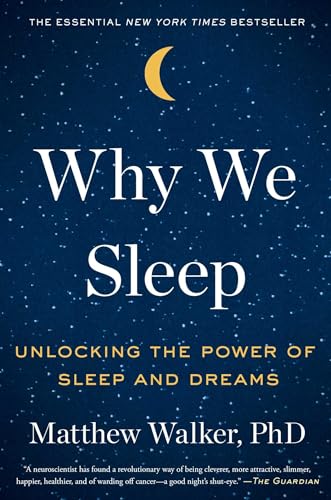
Matthew P. Walker

Dana Ullman

Deborah L. Price
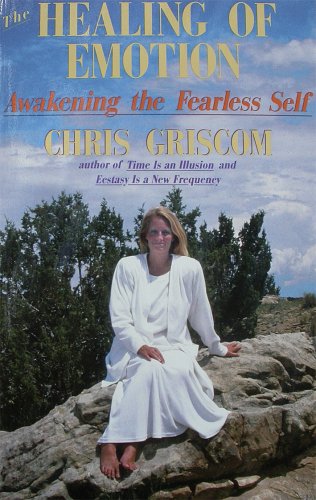
Chris Griscom
The quest for happiness often leads to frustration, as many fail to realize that the...

Reaching sixty can evoke complex emotions, blending relief with ongoing ambition. This...

The quest for life's purpose often leads to unsatisfactory answers. This article...

Romantic love is a complex emotion shaped by historical, cultural, and biological...

Imagine going through one of the most physically and emotionally demanding experiences...

Daily actions often conflict with personal beliefs due to past experiences. By utilizing...

Have you ever argued over something that wasn't actually said? From cultural differences...

Therapists often use dream interpretation to delve into patients' emotions, but true...