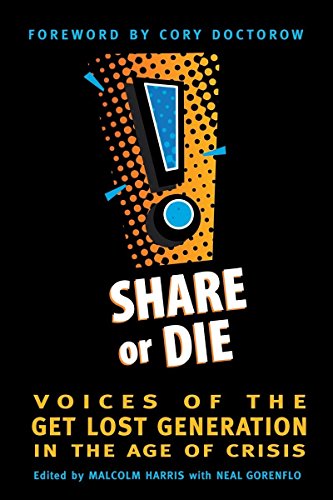
Discover how a fundamental shift in how we consume, work, and relate to one another is reshaping society and offering a pathway toward greater fulfillment, sustainability, and community connection. This groundbreaking exploration examines the sharing economy—a movement that challenges conventional ideas about ownership, consumption, and personal success.
The modern world has built itself on a foundation of individual ownership and constant accumulation. We purchase items we use once, maintain possessions we barely need, and work in isolation toward increasingly hollow measures of achievement. Yet beneath the surface of traditional consumer culture, a quiet revolution is taking shape. People everywhere are discovering that sharing resources, skills, and spaces doesn't represent a step backward into poverty or deprivation. Rather, it opens a doorway to greater freedom, deeper community bonds, and a lifestyle more aligned with both our true values and the health of our planet.
This timely examination reveals how the sharing economy emerged from necessity and innovation, born from both economic pressures and a growing desire for meaningful change. You'll discover how individuals and communities across North America are experimenting with new models of living that replace ownership with access, isolation with collaboration, and endless accumulation with intentional stewardship. From car-sharing networks and community gardens to tool libraries and housing cooperatives, these practical solutions demonstrate that another way of living is not only possible but increasingly preferred by those seeking authenticity and connection.
The exploration moves beyond simple economics to examine the philosophical and spiritual implications of shifting away from ownership-based living. When we share resources, we necessarily develop different relationships with our possessions and with one another. The psychological weight of maintaining and protecting individual property lightens, allowing energy to flow toward more meaningful pursuits. Sharing creates interdependence, which paradoxically produces greater freedom because we're no longer slaves to our possessions or entirely dependent on income to meet every single need. The hours previously spent earning money to buy things we rarely use can instead be devoted to relationships, creativity, wellness, and community contribution.
The movement also addresses some of the most pressing challenges of our time. Environmental sustainability takes on new meaning when we recognize that most of our possessions sit unused for the majority of their existence. By sharing tools, vehicles, living spaces, and skills, we dramatically reduce the consumption of resources and the generation of waste. This isn't about sacrifice or deprivation—it's about intelligent living that meets our actual needs while honoring the wellbeing of future generations. The sharing economy offers concrete ways to align personal choices with broader values of environmental stewardship and social responsibility.
Beyond environmental benefits, this exploration reveals how sharing economy models address economic inequality and financial vulnerability. When communities pool resources and share skills, the need for constant income decreases. People gain greater agency over their time and energy, reducing dependence on exploitative employment while building resilience through mutual support networks. This has profound implications for personal empowerment, as individuals move from positions of economic isolation and precarity toward participation in robust systems of reciprocal exchange.
The detailed examination of real-world examples—from thriving co-housing communities to neighborhood sharing networks—provides both inspiration and practical guidance. You'll discover how ordinary people have successfully implemented these models in their own lives, what challenges they've encountered, and how they've overcome obstacles. These authentic examples serve as blueprints for your own exploration and experimentation.
This essential reading speaks directly to those seeking more meaningful, sustainable, and connected ways of living. Whether you're questioning consumer culture, seeking community, striving for environmental responsibility, or simply yearning for greater freedom and purpose, this exploration offers both philosophical grounding and practical pathways forward. It demonstrates that personal transformation and social change aren't separate pursuits but interconnected expressions of choosing a different way of being in the world.