# The Transformative Power of Ecstatic Experience: Bridging the Sacred and the Secular
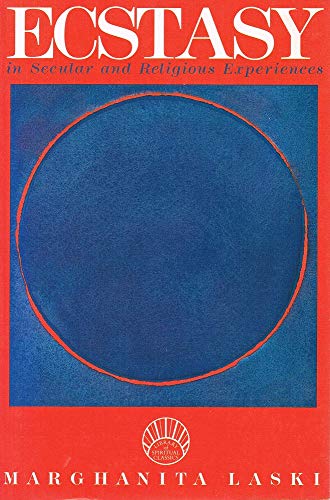
Ecstasy represents one of the most profound yet often misunderstood experiences available to human consciousness. Whether encountered in religious devotion, artistic creation, nature immersion, or intimate connection, these moments of transcendence touch something essential within us—a dimension of existence that conventional language struggles to capture. This exploration into ecstatic experience offers a comprehensive examination of these extraordinary states of consciousness, unveiling how they manifest across vastly different contexts and what they reveal about human potential and spiritual awakening.
The distinction between secular and religious ecstasy may initially seem clear, yet the reality proves far more nuanced and interconnected. Many seekers assume that transcendent experiences belong exclusively to religious or spiritual traditions, yet ecstasy emerges just as authentically in moments of creative breakthrough, athletic flow, natural beauty, intellectual insight, and human connection. Understanding this spectrum transforms how we approach personal transformation and spiritual growth. Rather than limiting ecstasy to traditionally sacred domains, we recognize that transcendence speaks a universal language, accessible through multiple pathways and experiences.
Throughout this investigation, you'll discover the common threads that unite seemingly disparate ecstatic experiences. The temporary dissolution of ordinary self-awareness, the sense of timelessness, the profound feeling of connection to something greater than oneself, the ineffable quality that resists description—these characteristics appear whether someone experiences them during prayer, while creating art, standing before a mountain vista, or losing themselves in dance. By recognizing these universal elements, readers gain permission to honor and explore ecstatic moments that may not fit traditional spiritual categories, yet carry genuine transformative power.
What makes this exploration particularly valuable is its rigorous, non-dogmatic approach. Rather than promoting any single path or belief system, the investigation draws from extensive research, interviews, and personal accounts spanning numerous traditions and secular contexts. This methodology respects the reader's own spiritual orientation while opening new possibilities for understanding and cultivating transformative experiences. Those from traditional religious backgrounds may discover unexpected wisdom in secular accounts, while secular readers may find surprising depth in religious testimonies—all without being asked to adopt beliefs that don't align with their worldview.
The practical dimensions of this work prove equally important as the theoretical framework. Understanding ecstatic experience isn't merely an intellectual exercise; it offers concrete benefits for personal growth and psychological well-being. Readers learn how recognizing and honoring these experiences can deepen self-knowledge, enhance creativity, strengthen resilience, and cultivate meaning in daily life. The book provides context for understanding why people seek these states, what psychological and spiritual needs they fulfill, and how relationship to ecstatic experience reflects our values and priorities.
Many individuals who've encountered spontaneous ecstatic experiences struggle to integrate them into their ordinary lives. The gap between transcendent moments and everyday consciousness can leave us feeling fragmented or doubting the significance of what we've experienced. This exploration helps bridge that gap by examining how ecstatic experiences connect to authentic living, personal transformation, and the development of wisdom. Rather than viewing these moments as escapism or temporary distractions from real life, we learn how they can inform and enrich our engagement with the world.
The cultural and historical dimensions add further richness to the exploration. Ecstasy hasn't always carried the same meaning or social acceptance across different times and places. Examining how various cultures have understood, cultivated, and integrated ecstatic experience reveals much about human values and priorities. This perspective helps contemporary seekers situate their own experiences within the broader human story while recognizing that our modern context presents unique challenges and opportunities for pursuing transcendence.
For anyone committed to personal growth and spiritual development, understanding the full spectrum of ecstatic possibility expands your toolkit for transformation. Whether you're seeking to understand spontaneous experiences you've already had, actively cultivating greater connection to transcendence, or simply curious about the heights of human consciousness, this comprehensive exploration offers both intellectual insight and practical wisdom. The result is a richer, more authentic relationship with your own capacity for transcendence and a deeper appreciation for the extraordinary potential within human experience.