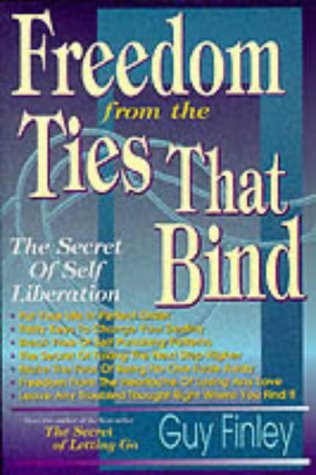
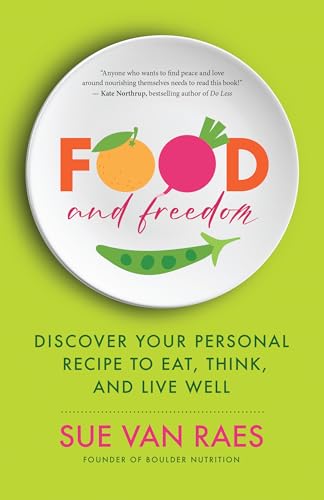
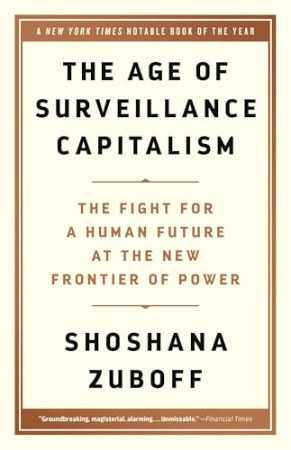
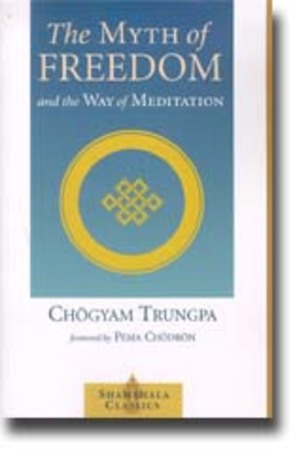
Discover how the invisible chains of conditioned thinking and unconscious patterns shape not only your personal life but your relationship with society, power, and freedom itself. This transformative exploration reveals the deep connection between individual psychological bondage and our collective capacity for authentic democracy and social consciousness.
At the heart of human struggle lies a fundamental paradox: we believe ourselves to be free, yet countless invisible forces constrain our choices, shape our beliefs, and limit our ability to think independently. These psychological and spiritual fetters operate beneath the surface of awareness, influencing how we perceive authority, make decisions, and participate in the world around us. Understanding these internal mechanisms becomes essential not only for personal liberation but for meaningful engagement with the political and social structures that govern our lives.
This work examines the intricate ways that fear, habit, and unconscious identification trap us within repeating cycles. Most people move through life reacting to circumstances rather than responding with conscious awareness. We inherit beliefs without questioning them, accept limitations without examining them, and surrender our power to external authorities without recognizing what we have relinquished. These patterns develop early, reinforced through family dynamics, cultural conditioning, and social institutions designed to maintain order through conformity.
The exploration delves into how these personal limitations directly impact our capacity for true citizenship and democratic participation. When individuals remain trapped in conditioned responses and habitual patterns of thinking, they cannot genuinely evaluate information, challenge authority, or make sovereign choices about their lives and communities. Democracy requires citizens capable of independent thought, yet many remain enslaved to unconscious programming that prevents such autonomy. Understanding this connection illuminates why personal transformation and social consciousness are inseparable endeavors.
Readers will encounter practical wisdom about recognizing the difference between authentic choice and compulsive reaction. Through careful examination, one discovers how fear masquerades as caution, how identification with beliefs creates artificial certainty, and how the need for external validation undermines genuine self-knowledge. These insights prove revolutionary for anyone seeking to reclaim agency over their own life and to participate more consciously in collective decisions affecting society.
The material addresses the uncomfortable truth that we often serve masters we do not recognize. Whether these masters are fear, social expectation, financial pressure, or deeply embedded beliefs about our limitations, their control remains absolute until brought into conscious awareness. Breaking free requires more than intellectual understanding; it demands a willingness to observe oneself with honest curiosity and to question the very foundations upon which we have built our sense of self and our understanding of what is possible.
This investigation becomes particularly relevant in contexts of power and governance. Those who remain unconscious about their own psychological mechanisms become vulnerable to manipulation by external forces. Propaganda succeeds because it targets unexamined beliefs and unconscious fears. Media and political systems exploit conditioned responses in populations unaware of their own programming. The path to genuine freedom, therefore, begins with recognizing these patterns within oneself.
Throughout this journey, readers encounter practical approaches to awakening consciousness and dissolving unnecessary limitations. The work provides framework for understanding why change proves so difficult and how authentic transformation becomes possible. By examining the specific mechanisms that bind awareness, individuals gain tools for liberation applicable both to personal circumstances and to one's relationship with the larger social and political world.
This exploration matters profoundly because free societies require free individuals. Those bound by unconscious patterns cannot exercise genuine democratic responsibility or contribute meaningfully to collective wisdom. By engaging with these liberating insights, readers take essential steps toward becoming more conscious, more authentic, and more capable of meaningful participation in the ongoing human endeavor to create just and conscious communities. The freedom gained through this work extends far beyond personal peace; it radiates outward, affecting how one engages with others and the world.