# Understanding the Gateway Between Psychological Wounding and Personal Transformation
Deep within the human psyche lies a remarkable capacity for healing and transformation that often remains untapped and misunderstood. The intersection of trauma, altered consciousness, and personal growth represents one of the most compelling frontiers in modern psychology and holistic wellness. This exploration reveals how psychological wounds, rather than being permanent marks of damage, can become catalysts for profound spiritual and psychological development.
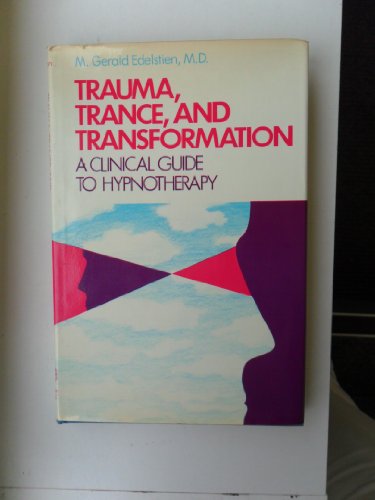
The relationship between trauma and human consciousness has long fascinated healers, psychologists, and spiritual practitioners. Trauma, by its very nature, disrupts our normal patterns of thinking and perception. It creates what might be described as involuntary altered states of consciousness—moments when the rational mind steps aside and we enter into different modes of awareness. Rather than viewing these altered states solely as symptoms to be eliminated, an integrative approach recognizes them as potential gateways to deeper understanding and healing.
When individuals experience significant psychological wounds, their nervous systems often respond by entering protective states. These protective mechanisms, while serving an important defensive function in the immediate aftermath of trauma, can become stuck patterns that limit our capacity for growth and connection. However, when these altered states are properly understood and skillfully navigated, they can become instruments of transformation. The key lies not in suppressing these states but in learning to work with them consciously and intentionally.
This integrative perspective draws from multiple healing traditions and therapeutic approaches. It honors both the somatic reality of trauma—the way it lives in our bodies—and the psychological dimensions of wounding. Simultaneously, it acknowledges that human beings possess innate healing resources that can be activated and cultivated. Through specific techniques and practices, individuals can learn to move through their trauma in ways that lead not simply to symptom reduction but to genuine transformation and expanded consciousness.
One of the most valuable insights this approach offers is that transformation rarely occurs through intellectual understanding alone. The mind's analytical capabilities, while important, often cannot reach the deeper layers where trauma is stored. Instead, healing and growth require engaging with our entire being—body, emotions, imagination, and spiritual dimensions. Practices that engage altered states of consciousness in controlled and purposeful ways can access these deeper levels, allowing for integration and release that purely cognitive approaches cannot achieve.
The journey from trauma to transformation involves several key elements. First comes recognition—seeing clearly what has happened and how it continues to affect our present experience. Next comes stabilization—developing the capacity to feel safe in our bodies and minds. Then comes processing—allowing the nervous system to complete the protective responses that were interrupted during the original traumatic event. Finally comes integration—weaving the difficult experience into our life narrative in ways that extract wisdom and meaning without being defined by suffering.
Throughout this journey, altered states of consciousness, when properly facilitated, serve as valuable tools. They can bypass the defensive structures that have been erected around trauma. They can access resources and capacities that remain hidden in our ordinary waking consciousness. They can facilitate the kind of neurological reorganization that allows us to hold traumatic memories without being overwhelmed by them.
The transformation that emerges from skillful work with trauma and consciousness goes far beyond simply "getting over" difficult experiences. Many individuals who have undergone genuine healing report not just relief from symptoms but expanded capacity for compassion, deeper spiritual awareness, enhanced creativity, and more authentic connections with others. Suffering, when transformed rather than merely survived, becomes a path to greater wholeness.
This integration of trauma psychology with consciousness studies offers hope and practical pathways for anyone seeking to move beyond the limitations imposed by past wounding. It suggests that what appears broken might actually become the location of our deepest healing and most significant growth.