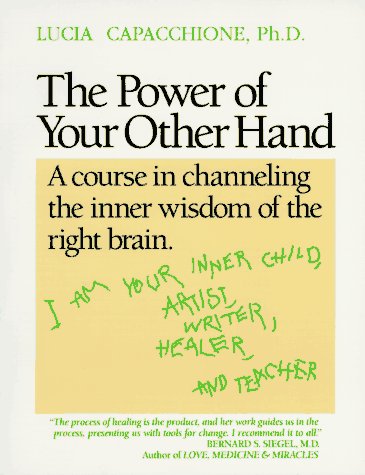

Have you ever considered that your non-dominant hand holds the key to accessing parts of yourself that remain hidden from your conscious mind? This groundbreaking exploration reveals how writing with your opposite hand can open doorways to creativity, emotional healing, and profound self-discovery that traditional journaling and therapy cannot reach.
The concept of non-dominant hand writing as a therapeutic and transformative tool rests on a fascinating neurological and psychological principle: each hemisphere of your brain governs different aspects of consciousness and expression. Your dominant hand, controlled by your language-dominant hemisphere, expresses what your rational mind wants to say. Your non-dominant hand, connected to the intuitive, creative, and emotional hemisphere, can bypass your internal censor and access deeper truths, suppressed feelings, and forgotten wisdom.
When you pick up a pen with your non-dominant hand and begin to write, something remarkable happens. The awkwardness of the physical act quiets your critical mind. Your handwriting becomes childlike, less controlled, more honest. Words flow that you might never consciously allow yourself to write. Emotions surface. Memories emerge. Solutions to problems you've struggled with suddenly become clear. This is not magic, but rather a sophisticated form of self-communication that taps into the authentic intelligence residing in the non-dominant hemisphere of your brain.
This approach offers particular power for anyone seeking personal empowerment and growth. Many people find themselves stuck in patterns of self-limitation, emotional numbness, or creative drought. Traditional approaches to self-improvement often rely on willpower, positive thinking, and intellectual analysis—tools of the dominant hemisphere that may have contributed to the problem in the first place. When you cannot think your way out of a situation, you need access to a different kind of knowing. Non-dominant hand writing provides exactly that access.
Readers will discover practical techniques for beginning this practice with ease and authenticity. You'll learn how to set up sessions that create a safe, judgment-free space for your non-dominant hand to express itself. The process requires no special talent, no artistic ability, and no prior experience with journaling or psychology. In fact, people who struggle with traditional writing often find this method liberating precisely because there are no rules and no performance expectations.
The benefits that readers report are extensive and often surprising. Many experience breakthrough moments in understanding relationships that have confused or troubled them. Others access creative ideas that had remained blocked for years. Some discover the roots of anxiety or self-doubt and, through this awareness, begin to release their hold. Emotional wounds that talk therapy alone couldn't seem to touch often begin to heal through this direct dialogue with the non-dominant hand.
Beyond personal issues, this practice connects readers to their intuition and inner wisdom in ways that strengthen all areas of life. Business professionals report improved decision-making. Artists experience renewed creative flow. Parents develop deeper compassion and patience. Spiritual seekers access dimensions of insight previously unavailable to them. The simple act of giving your non-dominant hand voice becomes a daily practice of honoring all parts of yourself.
What makes this approach particularly valuable in our contemporary world is that it offers an antidote to over-intellectualization and the constant stimulation of modern life. It slows you down. It brings you into intimate contact with your own inner landscape. It asks you to listen to yourself with genuine curiosity rather than judgment. In a culture that privileges speed, productivity, and rational thinking, non-dominant hand writing restores balance and wholeness to your inner experience.
This method also democratizes access to psychological and spiritual growth. You don't need a therapist's appointment or a meditation retreat to access deeper self-knowledge. You need only paper, pen, and permission to let your other hand speak the truths your dominant hand keeps hidden.