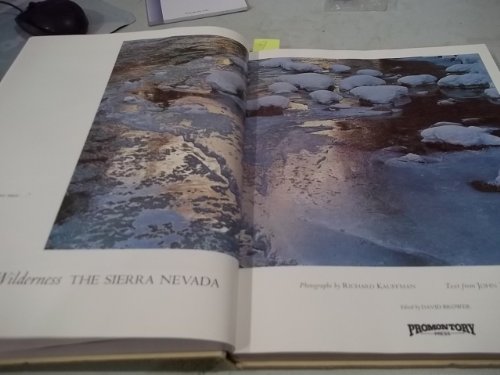
Deep within the wilderness lies a profound invitation to reconnect with the most essential aspects of our existence. This exploration invites readers into an extraordinary journey through pristine landscapes and untamed ecosystems, revealing how our personal transformation is inextricably linked to the health and vitality of the natural world around us.
The work presents a compelling vision of wilderness not as something separate from human consciousness, but as a mirror reflecting our innermost spiritual longings and deepest truths. Through vivid descriptions of unspoiled natural environments, readers encounter powerful teachings about what it means to truly live in harmony with Earth's rhythms and cycles. The narrative weaves together observations of pristine forests, crystalline waters, and towering mountains with philosophical insights that challenge our modern assumptions about progress, civilization, and what constitutes a meaningful life.
At its heart, this exploration addresses the growing crisis of disconnection that characterizes contemporary existence. Many people find themselves spiritually adrift, divorced from the natural processes that sustained their ancestors and continue to sustain all life on this planet. The work illuminates how this separation creates not only environmental degradation but also personal suffering, anxiety, and a pervasive sense of meaninglessness. By reestablishing our relationship with wilderness, readers discover pathways toward healing that address both individual wellbeing and collective responsibility for environmental stewardship.
The narrative teaches readers to perceive nature not as a collection of resources to be exploited, but as a living, conscious presence worthy of reverence and protection. Through contemplative passages and evocative imagery, the work guides readers toward developing what might be called ecological consciousness—a way of seeing and being that recognizes the interdependence of all living systems. This awakening fundamentally shifts how people understand their place in the world and their obligations to future generations.
Throughout the exploration, readers encounter practical wisdom about how to develop a more intimate relationship with wild places. The work explains how spending time in untouched natural settings can quiet the noise of modern distractions, restore mental clarity, and catalyze spiritual growth. It demonstrates that wilderness experiences are not mere recreational pastimes for the privileged few, but essential medicine for the human soul—particularly in an era of unprecedented environmental change and ecological anxiety.
The text also addresses the interconnection between personal consciousness and planetary health. Readers will discover how cultivating inner peace, mindfulness, and spiritual awareness directly contributes to more conscious environmental choices and activism. When individuals genuinely experience the beauty, complexity, and fragility of wild ecosystems, they naturally develop stronger commitments to protection and conservation. This work shows that environmental action rooted in love for nature proves far more sustainable and transformative than action motivated by guilt or fear alone.
For spiritually-oriented readers concerned about climate change, biodiversity loss, and environmental degradation, this work offers something precious: a perspective that honors both the severity of ecological challenges while maintaining hope and inspiration. Rather than inducing despair, it catalyzes empowered action by helping readers understand that their personal spiritual development and environmental responsibility are one unified journey.
This exploration speaks to readers ready to examine their assumptions about progress, technology, and what true civilization might look like. It invites contemplation about whether endless economic growth actually serves human flourishing, or whether we have mistaken direction for progress. The work provides intellectual and spiritual resources for imagining alternative ways of living that are simultaneously more sustainable, more beautiful, and more deeply satisfying than the dominant cultural model.
By the conclusion, readers will understand that protecting wilderness is ultimately about honoring life itself and choosing our highest potential as conscious beings capable of love, wonder, and genuine transformation. This path of reconnection offers healing for both individual souls and our wounded planet.