
Happiness & Success
Achieving Happiness Through Acceptance of Life
The quest for happiness often leads to frustration, as many fail to realize that the...









# A Revolutionary Path to Spiritual Awakening Through the Heart
Compassion stands as one of humanity's most transformative spiritual practices, yet it remains widely misunderstood and underutilized in contemporary spiritual exploration. This groundbreaking work challenges conventional notions of what spirituality truly means and invites readers into a profound reimagining of their relationship with themselves, others, and the divine.
At its core, this exploration presents compassion not as a peripheral virtue or optional spiritual accessory, but as the fundamental foundation of authentic spirituality itself. Rather than treating compassion as something separate from spiritual practice—something to add after achieving enlightenment or inner peace—this perspective reveals it as the very essence of spiritual awakening. The book invites readers to examine how many spiritual traditions have inadvertently marginalized compassion in favor of abstract concepts, intellectual understanding, or escapist practices that remove individuals from genuine engagement with the world and its suffering inhabitants.
Read more ▼
Nurturing The Soul Of Your Family 10 Ways To Reconnect And Find Peace In Everyday Life
Renee Peterson Trudeau
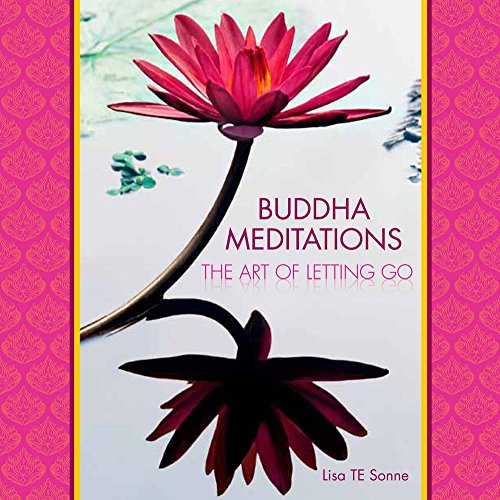
Lisa T. E. Sonne

Alan Watts

Stephanie Jean Clement
The quest for happiness often leads to frustration, as many fail to realize that the...

Reaching sixty can evoke complex emotions, blending relief with ongoing ambition. This...

The quest for life's purpose often leads to unsatisfactory answers. This article...

Romantic love is a complex emotion shaped by historical, cultural, and biological...

Imagine going through one of the most physically and emotionally demanding experiences...

Daily actions often conflict with personal beliefs due to past experiences. By utilizing...

Have you ever argued over something that wasn't actually said? From cultural differences...

Therapists often use dream interpretation to delve into patients' emotions, but true...