
Happiness & Success
Achieving Happiness Through Acceptance of Life
The quest for happiness often leads to frustration, as many fail to realize that the...








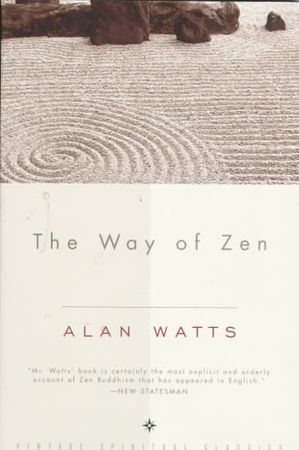
Zen Buddhism represents one of the most profound yet paradoxical spiritual traditions to emerge from the East, and this masterful exploration serves as both a scholarly introduction and a deeply practical guide to understanding its essence. Readers embarking on this journey will discover a comprehensive examination that bridges the gap between Eastern wisdom and Western consciousness, making ancient teachings accessible to modern seekers of truth and enlightenment.
The presentation begins by tracing the historical roots of Zen, revealing how it emerged from the fertile ground of Indian Buddhism and Chinese Taoism to become a distinctive spiritual path. This historical foundation is not merely academic but essential for understanding how Zen developed its unique approach to awakening. The exploration delves into the philosophical underpinnings of Buddhist thought, explaining concepts such as the nature of suffering, the illusion of the separate self, and the doctrine of no-mind with remarkable clarity and insight.
What sets this work apart is its ability to convey the seemingly incomprehensible paradoxes that lie at the heart of Zen practice. Readers will encounter koans, those puzzling questions and statements designed to short-circuit logical thinking and precipitate direct experience of reality. Rather than simply presenting these as exotic curiosities, the text illuminates their function as tools for transcending the limitations of conceptual thought, helping readers understand why rational analysis alone cannot lead to genuine spiritual realization.
Read more ▼
Messages from Heaven Communication Cards
Jacky Newcomb
Marianne Bentzen, Peter A. Levine

Doreen Virtue
Bud Harris
The quest for happiness often leads to frustration, as many fail to realize that the...

Reaching sixty can evoke complex emotions, blending relief with ongoing ambition. This...

The quest for life's purpose often leads to unsatisfactory answers. This article...

Romantic love is a complex emotion shaped by historical, cultural, and biological...

Imagine going through one of the most physically and emotionally demanding experiences...

Daily actions often conflict with personal beliefs due to past experiences. By utilizing...

Have you ever argued over something that wasn't actually said? From cultural differences...

Therapists often use dream interpretation to delve into patients' emotions, but true...