
Happiness & Success
Achieving Happiness Through Acceptance of Life
The quest for happiness often leads to frustration, as many fail to realize that the...








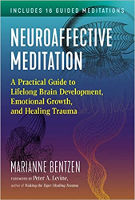
Meditation has long been celebrated as a pathway to inner peace and spiritual awakening, yet for many practitioners, traditional approaches can feel disconnected from the body's wisdom or even trigger unexpected discomfort. A groundbreaking integration of contemplative practice with cutting-edge neuroscience and somatic psychology offers a revolutionary framework that honors both the aspirations of the spirit and the intelligence of the nervous system.
This transformative approach recognizes that true meditation cannot be separated from our embodied experience. Rather than bypassing or transcending the body to reach higher states of consciousness, this methodology demonstrates how working directly with the nervous system's natural capacity for regulation and healing creates a foundation for genuine spiritual growth. By understanding how trauma, stress, and developmental experiences shape our neurobiology, practitioners can craft meditation practices that support rather than strain their unique nervous system patterns.
At the heart of this work lies the concept of neuroaffective development—the intricate dance between our evolving brain structures and our emotional capacities from infancy through adulthood. Readers discover how specific developmental stages create templates for how we relate to ourselves, others, and the world. When these developmental processes unfold optimally, they create a stable foundation for consciousness exploration. When interrupted or incomplete, they can manifest as obstacles in meditation practice, from difficulty settling into stillness to overwhelming emotions or dissociative tendencies.
Read more ▼
Tara-Jenelle Walsch
Lesley Phillips

Autobiography of a Spiritually Incorrect Mystic
Bhagwan Rajneesh

Jeremy David Engels
The quest for happiness often leads to frustration, as many fail to realize that the...

Reaching sixty can evoke complex emotions, blending relief with ongoing ambition. This...

The quest for life's purpose often leads to unsatisfactory answers. This article...

Romantic love is a complex emotion shaped by historical, cultural, and biological...

Imagine going through one of the most physically and emotionally demanding experiences...

Daily actions often conflict with personal beliefs due to past experiences. By utilizing...

Have you ever argued over something that wasn't actually said? From cultural differences...

Therapists often use dream interpretation to delve into patients' emotions, but true...