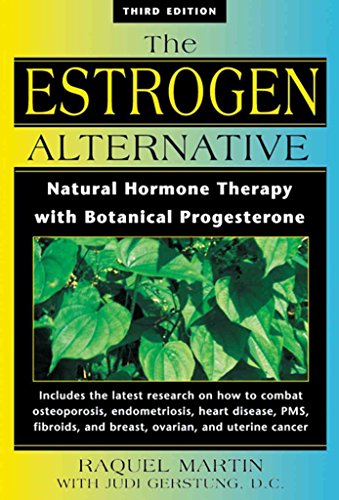
Navigating the landscape of women's health has become increasingly complex in recent decades. With hormone replacement therapy representing one of the most debated health interventions of our time, many women find themselves at crossroads, uncertain about how to manage the significant transitions their bodies undergo. This resource addresses that fundamental uncertainty by exploring natural, scientifically-grounded approaches to hormonal wellness that empower women to make informed decisions about their bodies and their futures.
The central premise revolves around a liberating concept: women need not choose between accepting all the uncomfortable symptoms of hormonal transition or relying solely on pharmaceutical interventions. Instead, there exists a rich middle ground populated by nutritional strategies, herbal remedies, lifestyle modifications, and complementary medicine approaches that can effectively address hormonal imbalances while supporting overall wellbeing. This perspective represents a significant shift in how we might approach some of the most challenging health experiences women face.
The exploration begins by demystifying hormones themselves. Understanding how estrogen and other hormones function in the female body provides the foundation for intelligent decision-making. Rather than viewing hormones as mysterious forces beyond our control, readers gain insight into how these powerful chemical messengers affect everything from mood and energy levels to bone density and cardiovascular health. This knowledge transforms the reader from a passive recipient of medical advice into an active participant in her own healing process.
One of the most valuable aspects of this resource involves examining the wide spectrum of natural interventions available to women. Phytoestrogens, plant-based compounds that mimic or influence estrogen activity in the body, receive detailed examination. Foods such as soy, flax, and various legumes contain these beneficial compounds, yet many women have never considered how simple dietary adjustments might influence their health. The nutritional approach extends beyond individual foods to encompass comprehensive dietary patterns that support hormonal equilibrium and overall vitality.
The discussion of herbal remedies draws upon both traditional wisdom and contemporary research. Herbs that have been used for centuries to support women's health, such as black cohosh, sage, and dong quai, are examined for their mechanisms of action and their roles in addressing various symptoms. This integration of traditional knowledge with modern understanding bridges the gap between ancient healing practices and contemporary health concerns, offering readers permission to honor both scientific evidence and time-tested remedies.
Beyond nutrition and herbalism, the resource addresses the profound influence of lifestyle factors on hormonal health. Stress management, quality sleep, regular physical activity, and healthy relationships all play crucial roles in hormonal balance. Many women discover that symptoms they attributed to inevitable biological processes actually respond remarkably well to lifestyle modifications. This realization can be profoundly empowering, shifting the locus of control back to the individual.
The personal empowerment dimension of this approach cannot be overstated. Rather than relying on external authorities to dictate what women must do with their bodies, this information enables informed choice-making. Some women may ultimately decide that hormone replacement therapy serves their needs, but they arrive at this decision from a position of knowledge rather than desperation or fear. Others discover that natural approaches fully address their concerns, eliminating the need for pharmaceutical intervention. Still others find a combined approach works best for their unique circumstances.
This resource matters profoundly because it acknowledges a truth often overlooked in conventional medicine: women's bodies are not broken during hormonal transitions; they are changing. These changes need not be pathologized or medicated away. Instead, they can be supported, managed, and navigated with wisdom, compassion, and practical tools. By providing comprehensive information about natural alternatives and complementary approaches, this guide returns agency to women, allowing them to author their own health stories with confidence and self-trust.