




Happiness & Success
Achieving Happiness Through Acceptance of Life
The quest for happiness often leads to frustration, as many fail to realize that the...








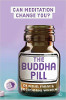
Meditation and mindfulness have become household words in our modern quest for wellness and inner peace. From corporate boardrooms to elementary school classrooms, from therapy offices to smartphone apps, these practices are presented as cure-alls for everything from stress and anxiety to depression and physical illness. But what if our assumptions about these ancient practices rest on shaky ground? What if the scientific evidence doesn't quite support the sweeping claims being made? And what if, in some cases, meditation can actually cause harm?
This groundbreaking investigation pulls back the curtain on the mindfulness movement, examining both the science and the hype surrounding meditation practices that have been transplanted from their traditional spiritual contexts into Western secular settings. Through rigorous research and compelling case studies, readers discover a more nuanced and honest picture of what meditation can and cannot do, challenging the prevailing narrative that has turned mindfulness into a multi-billion dollar industry.
The journey begins with an examination of the actual scientific evidence supporting meditation's benefits. While studies do show genuine positive effects for some people under certain conditions, the research is far more limited and contradictory than popular media suggests. Many studies suffer from poor methodology, small sample sizes, and researcher bias. The promise that meditation can transform your life, cure depression, or fundamentally rewire your brain often outstrips what the data actually demonstrates. Readers gain crucial tools for evaluating wellness claims critically, learning to distinguish between solid science and wishful thinking.
Read more ▼
The quest for happiness often leads to frustration, as many fail to realize that the...

Reaching sixty can evoke complex emotions, blending relief with ongoing ambition. This...

The quest for life's purpose often leads to unsatisfactory answers. This article...

Imagine going through one of the most physically and emotionally demanding experiences...

Romantic love is a complex emotion shaped by historical, cultural, and biological...

Daily actions often conflict with personal beliefs due to past experiences. By utilizing...

Have you ever argued over something that wasn't actually said? From cultural differences...

Therapists often use dream interpretation to delve into patients' emotions, but true...