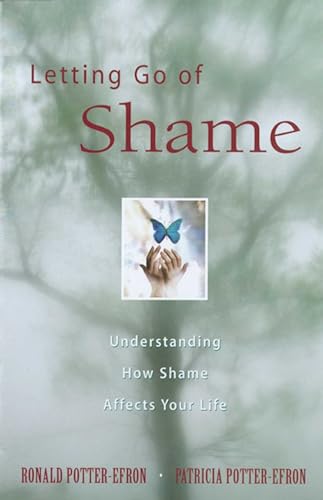
Shame is one of the most pervasive yet least discussed emotional experiences in modern life. Unlike guilt, which emerges when we believe we have done something wrong, shame runs deeper—it tells us that we ourselves are fundamentally flawed, unworthy, or broken. This powerful distinction is the foundation for understanding why shame has such a devastating impact on our psychological wellbeing, relationships, and capacity for genuine happiness.
This groundbreaking exploration into the nature of shame offers readers a compassionate and practical pathway toward emotional freedom. The work presents shame not as an isolated problem but as an interconnected web of thoughts, feelings, and behaviors that has become woven into the fabric of how we see ourselves and interact with others. For anyone who has ever felt inadequate, unlovable, or fundamentally different from others in a negative way, this resource speaks directly to that internal experience and offers evidence-based approaches to transformation.
The journey begins with honest assessment and recognition. Readers will discover how shame develops—often originating in childhood through critical parenting, trauma, abuse, or simply the ordinary shame-inducing experiences that many of us encounter growing up. Understanding the roots of shame is not about blaming parents or circumstances; rather, it creates the foundation for recognizing patterns that have become automatic and largely unconscious. By bringing these patterns into awareness, we create the possibility of choice where previously there was only conditioning.
A central insight presented throughout this work is that shame thrives in secrecy and isolation. When we hide our shame, when we keep our struggles and perceived defects locked away from others, the shame actually strengthens its grip on our identity. The process of moving toward emotional health involves gradually, safely, and compassionately bringing our shame experiences into the light—first to ourselves, and then selectively with trusted others. This movement from isolation toward connection is fundamental to healing.
The practical guidance helps readers identify specific shame triggers and recognize the physical and emotional signals that indicate shame is active. Many people have experienced shame so chronically that they no longer notice it—it feels like the normal baseline of their existence. Learning to identify shame as it arises is like developing a new sense; it allows us to respond differently rather than simply reacting from this wounded place. Readers will learn techniques for interrupting automatic shame responses and developing new relationships with themselves that are grounded in compassion rather than criticism.
An important aspect of this exploration addresses the cultural and social dimensions of shame. We live in societies that use shame as a tool for social control, and we internalize these external shaming messages so thoroughly that we take them as truth about ourselves. The work helps readers distinguish between shame that genuinely reflects their values and shame that has been imposed upon them by cultural narratives, social expectations, or others' judgments. This distinction is liberating because it allows us to consciously choose which messages we accept and which we reject.
Perhaps most significantly, this resource offers a vision of life beyond shame—a life where we can acknowledge our mistakes without condemning our fundamental worth, where we can be vulnerable without feeling destroyed, and where we can accept our humanity without drowning in self-rejection. The path forward involves developing self-compassion, finding genuine connection with others, and building a sense of belonging that is not contingent on being perfect or hiding our real selves.
For anyone seeking personal empowerment, emotional healing, and a deeper sense of self-acceptance, this exploration of shame's nature and its antidotes provides both the understanding and the practical tools necessary for meaningful transformation. The freedom that emerges from releasing shame is not just personal—it radiates outward to influence all our relationships and our capacity to show up authentically in the world.