
Happiness & Success
Achieving Happiness Through Acceptance of Life
The quest for happiness often leads to frustration, as many fail to realize that the...








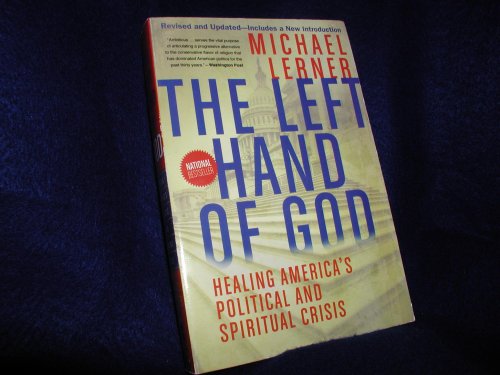
American politics and public discourse have become increasingly dominated by voices that invoke religious language while promoting policies of selfishness, militarism, and indifference to the suffering of others. This powerful critique examines how progressive values have been marginalized in political debates, and offers a transformative vision for reclaiming spirituality as a force for compassion, social justice, and genuine human connection.
At the heart of this exploration lies a fundamental question: Why do so many people vote against their own economic interests and support policies that benefit the wealthy while harming working families, the poor, and the vulnerable? The answer lies in understanding the deep spiritual crisis affecting millions of Americans who feel invisible, disrespected, and dismissed by both the marketplace and the political establishment. People hunger for recognition of their fundamental human worth beyond their economic productivity. They yearn for meaning, purpose, and community in a society that increasingly treats them as mere consumers and workers rather than whole human beings with inherent dignity.
This spiritual hunger creates a vulnerability that has been exploited by conservative religious movements offering a sense of belonging and moral clarity, even as they promote economic policies that contradict the compassionate teachings at the core of most religious traditions. The critique reveals how the Right Hand of God has been invoked to justify selfishness, nationalism, and a punitive approach to social problems, while the Left Hand of God, representing compassion, generosity, and care for the vulnerable, has been pushed aside in public discourse.
Read more ▼
Laurence Dennis Marchant Packer

Erika Flint
His Holiness Tenzin Gyatso the XIV Dalai Lama
The quest for happiness often leads to frustration, as many fail to realize that the...

Reaching sixty can evoke complex emotions, blending relief with ongoing ambition. This...

The quest for life's purpose often leads to unsatisfactory answers. This article...

Imagine going through one of the most physically and emotionally demanding experiences...

Romantic love is a complex emotion shaped by historical, cultural, and biological...

Daily actions often conflict with personal beliefs due to past experiences. By utilizing...

Have you ever argued over something that wasn't actually said? From cultural differences...

Therapists often use dream interpretation to delve into patients' emotions, but true...